Mexican Chillies: Guide to Varieties and Uses
From mild ancho to fiery habanero: a comprehensive guide to Mexican chilli varieties, their heat levels and culinary uses.
 EB
EBEdmond Bojalil
Recetas Mexas
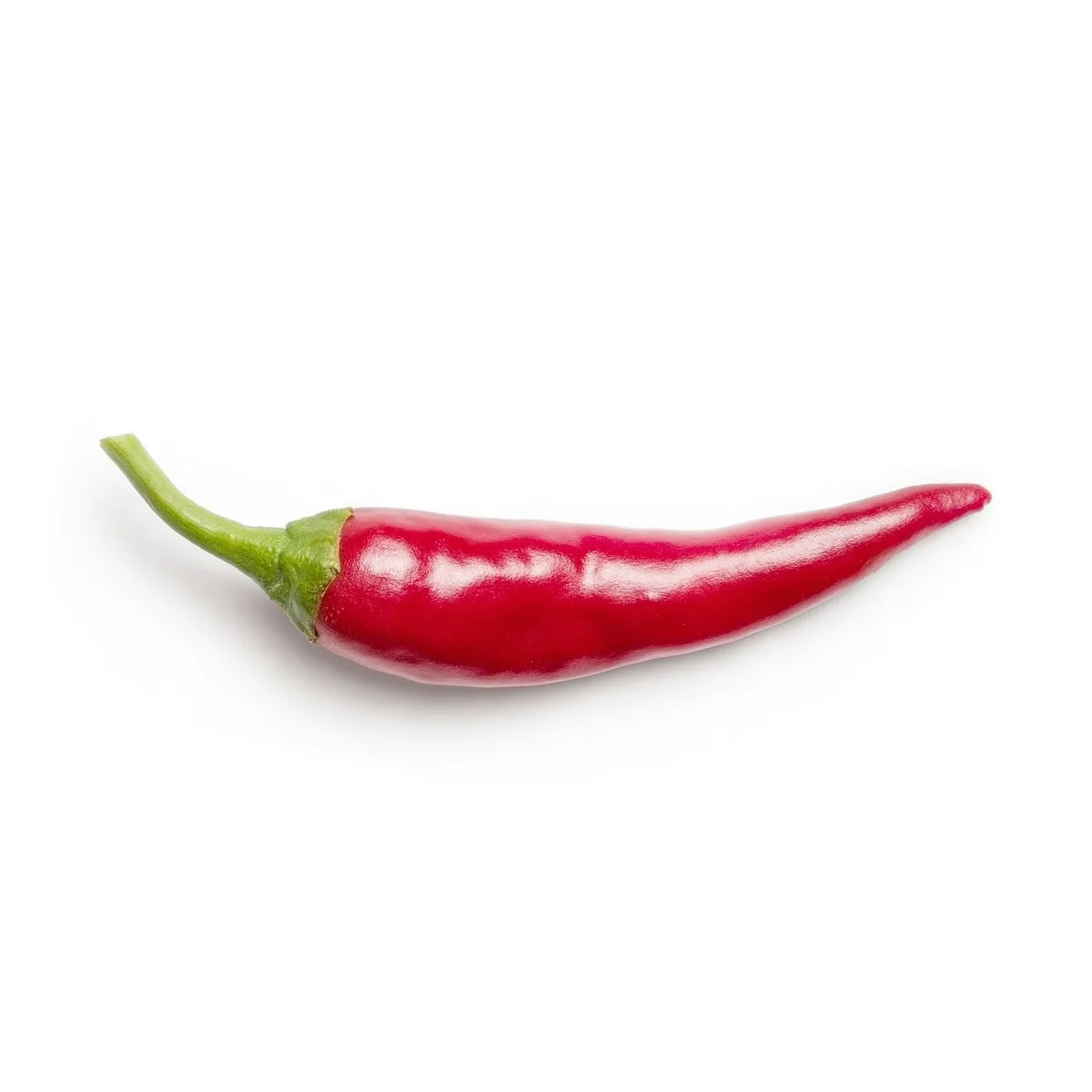
Chillies are the ingredient that defines Mexican cooking. Mexico has more than 60 cultivated varieties, each with a different flavour profile, heat level and culinary use. It's not just about "heat": chillies bring sweetness, smokiness, fruitiness, earthiness, floral notes... They're the most complex and fascinating ingredient in Mexican gastronomy. This guide will help you get to know the main ones and use them with confidence.
Dried Chillies: The Pillars of Salsas
Dried chillies are dehydrated versions of fresh chillies. As they dry, they concentrate their flavours and develop new notes. They're the base of salsas, moles and adobos.
Guajillo Chilli
Flavour: fruity, slightly sweet, with moderate heat. It's the most used chilli in Mexico.
Heat: ★★☆☆☆ (2,500-5,000 Scoville). Very manageable, almost everyone tolerates it.
Appearance: long (10-15cm), smooth, shiny skin, dark red colour.
Uses: red salsa for enchiladas, salsa for chilaquiles, meat adobos, red rice. If you're only going to buy one dried chilli, make it this one.
Recipes: red chilaquiles, red enchiladas, red table salsa.
In the UK: available in Latin shops (£3-4/100g) and Amazon. It's the easiest dried chilli to find.
Ancho Chilli
Flavour: sweet, deep, with notes of raisin and chocolate. It's the dried version of the poblano.
Heat: ★☆☆☆☆ (1,000-2,000 Scoville). Practically no heat, it just brings flavour.
Appearance: wide and wrinkled (hence the name "ancho"), dark brown almost black.
Uses: mole poblano (it's the main chilli), black mole, sweet adobos, chiles rellenos when fresh (poblano).
Recipes: mole poblano, adobo for carnitas.
Tip: it's so mild that you can blend it directly into creamy soups for colour and flavour with no heat at all.
Chipotle Chilli
Flavour: intensely smoky, sweet, with a medium heat that lingers. It's a ripe (red) jalapeño dried with smoke.
Heat: ★★★☆☆ (5,000-10,000 Scoville). Spicy but tolerable for most.
Appearance: wrinkled, coffee-coloured, with an unmistakable smoky aroma. Sold dried or tinned (in adobo).
Uses: smoky salsas, chicken/pork adobo, chipotle mayonnaise, creamy sauces. A teaspoon of chipotle transforms any dish.
Recipes: chipotle chicken, creamy chipotle salsa, chicken tinga.
In the UK: chipotles in adobo (tinned) are the most practical form. They're found in larger supermarkets (international section, ~£3) and in all Latin shops. A tin lasts a long time because you use little.
Tip: freeze the leftover chipotles from the tin individually in an ice-cube tray. That way you can use one or two each time without wasting any.
Árbol Chilli
Flavour: direct, clean, with a sharp heat and nutty notes when toasted.
Heat: ★★★★☆ (15,000-30,000 Scoville). Quite spicy. Use with caution.
Appearance: small (5-7cm), thin, bright red.
Uses: spicy red table salsa, taquería salsa, chilli oil, garnish.
Tip: toast 3-5 árbol chillies in a dry pan (careful, the vapours sting the eyes), blend with garlic, salt and a little vinegar. You've got the perfect hot salsa for tacos.
Pasilla Chilli
Flavour: earthy, bitter (in the good sense), with notes of cacao and herbs.
Heat: ★★☆☆☆ (1,000-4,000 Scoville). Mild.
Appearance: long and dark, almost black. "Pasilla" comes from "pasa" (raisin) because of its wrinkled skin.
Uses: black mole, dark salsas; it combines wonderfully with ancho and guajillo (the "trinity" of chillies for moles).
Mulato Chilli
Flavour: chocolate, tobacco, damp earth. It's the sweet, dark version of the dried poblano.
Heat: ★☆☆☆☆ (500-2,500 Scoville). Very mild.
Uses: mole poblano (alongside ancho and pasilla), dark salsas. It's hard to find in the UK but can be ordered online.
Fresh Chillies
Serrano Chilli
Flavour: vegetal, herbal, clean and direct heat.
Heat: ★★★★☆ (10,000-25,000 Scoville). Strong.
Uses: fresh green salsa, pico de gallo, guacamole. It's the most common fresh chilli in everyday Mexican cooking.
In the UK: hard to find. Substitute: fresh green birds-eye chilli or hot green finger chillies. Italian peperoncino also works.
Jalapeño Chilli
Flavour: vegetal, slightly sweet, variable heat (some are very hot, others almost mild).
Heat: ★★★☆☆ (2,500-8,000 Scoville). Medium.
Uses: pickled (nachos, pizza), stuffed (jalapeño poppers), salsas, rajas. It's the most internationally known Mexican chilli.
In the UK: sometimes found fresh in larger supermarkets or well-stocked greengrocers. Pickled ones are found in any supermarket. The fresh jalapeño can be substituted with a green finger chilli + a little cayenne.
Fact: the chipotle is a ripe, smoked jalapeño. Same chilli, different processing, completely different flavour.
Poblano Chilli
Flavour: vegetal, earthy, slightly sweet with very mild heat. It's large and fleshy.
Heat: ★☆☆☆☆ (1,000-2,000 Scoville). Barely any heat.
Uses: chiles rellenos (the star dish), rajas con crema, chiles en nogada, rajas for tacos and quesadillas.
In the UK: rare fresh. Substitute: a large Romano-style green pepper, roasted and peeled. It isn't identical but the fleshy texture is similar.
Habanero Chilli
Flavour: intensely fruity (mango, passion fruit), floral, with EXTREME heat.
Heat: ★★★★★ (100,000-350,000 Scoville). VERY spicy. Extreme caution.
Uses: Yucatecan cooking (southern Mexico), habanero salsas, ceviches. Used in minimal quantities.
Warning: wear gloves when handling it. A single habanero can make a salsa for 20 people. If you touch your eyes after cutting it, you'll remember it for hours.
In the UK: sometimes in international greengrocers or Latin shops. It also grows well in a pot in a warm climate.
Quick Reference Table
- No heat: Ancho, Mulato, Poblano → ideal for mild salsas and moles
- Low-to-medium heat: Guajillo, Pasilla, Jalapeño → for table salsas and everyday use
- Medium-to-high heat: Chipotle, Serrano, Árbol → for hot salsas and adobos
- Very spicy: Habanero → only for experts and in minimal doses
How to Use Dried Chillies: Basic Technique
- Clean: open down one side, remove the seeds and veins (most of the heat is here).
- Toast: dry pan over medium heat, 20-30 seconds a side. They should change colour slightly and release their aroma. Don't burn them.
- Soak: hot (not boiling) water for 15-20 minutes until flexible.
- Blend: with garlic, salt and a little of the soaking water.
- Strain: for smooth salsas, pass through a sieve. For rustic ones, leave it as is.
- Fry: heat oil in a pan, pour in the salsa and cook for 5 min, stirring. This "refrying" deepens the flavour enormously.
Where to Buy Them in the UK
- Latin shops: the best selection and prices. In London and other large cities there are multiple options. See our store guide.
- Amazon: decent variety, especially dried chillies and tinned chipotles.
- Larger supermarkets: international section, chipotles in adobo and sometimes pickled jalapeños.
- Growing your own: many chillies grow well in a pot in a warm climate (habanero, serrano, jalapeño). One plant produces dozens of chillies over the summer.
Want to put your chilli knowledge into practice? Start with a guajillo red salsa - it's the easiest and most versatile. From there, the world of chillies opens up before you.
How to Store and Preserve Your Chillies
Knowing how to store chillies correctly is as important as knowing how to use them. Good storage can keep their flavour and potency for months, while poor storage ruins them in weeks.
Dried chillies: the store cupboard is your ally
Dried chillies (ancho, guajillo, pasilla, árbol) keep best in a cool, dry, dark place. Store them in airtight bags or glass containers. Well stored, they last from 6 months to a year. A trick: put a bay leaf in the container to deter possible insects. If you notice them losing flexibility, it's a sign they've been stored too long.
Fresh chillies: smart refrigeration
Fresh jalapeños, serranos and habaneros last 1-2 weeks in the fridge in a paper bag (not plastic, which traps moisture). To keep them longer, you can slice them and freeze them on a tray before transferring to a freezer bag. That way you can use only the amount you need without defrosting everything.
Chillies in adobo: the freezer trick
An open tin of chipotles in adobo lasts only a few days in the fridge. The best solution: freeze the chillies individually in an ice-cube tray with a little of their sauce. Once frozen, transfer to an airtight bag. Each cube is roughly one chipotle, perfect for adding to stews, marinades and salsas without waste.
Discover more about Mexican ingredients in our detailed recipes and find authentic chillies in the Mexican shops in your city.
Heat scales: the practical Scoville guide
Understanding the Scoville scale helps you choose the right chilli for each recipe and tolerance. The poblano/ancho is the mildest (1,000-2,000 SHU), perfect for beginners. Jalapeño and chipotle are in the medium range (2,500-8,000 SHU), ideal for those who enjoy a noticeable but manageable heat. The serrano steps it up (10,000-25,000 SHU) and is the standard in Mexican salsas. The árbol chilli (15,000-30,000 SHU) brings direct, clean heat. And at the top, the habanero (100,000-350,000 SHU) is for the brave: use it with great respect and in minimal amounts until you know your tolerance.
Grow your own chillies in the UK
You can grow Mexican chillies surprisingly well in the UK. Jalapeños, serranos and habaneros do well in pots on a sunny windowsill or balcony from April to October. Buy seeds from specialist online shops, sow indoors in late February and transplant once there's no risk of frost. A well-tended jalapeño plant produces between 25 and 35 chillies per season, enough for months of home-made salsas.

Founder, Recetas Mexas
Mexican from Puebla, IT professional and foodie. Author of 1000+ authentic Mexican recipes adapted for home kitchens worldwide. Based in Madrid since 2018.
Read more