Nixtamalisation Explained: Why Mexican Corn Is Different
Nixtamalisation is the ancestral process that makes Mexican tortillas unique. Discover the science, history and why masa harina is different from regular cornflour.
 EB
EBEdmond Bojalil
Recetas Mexas
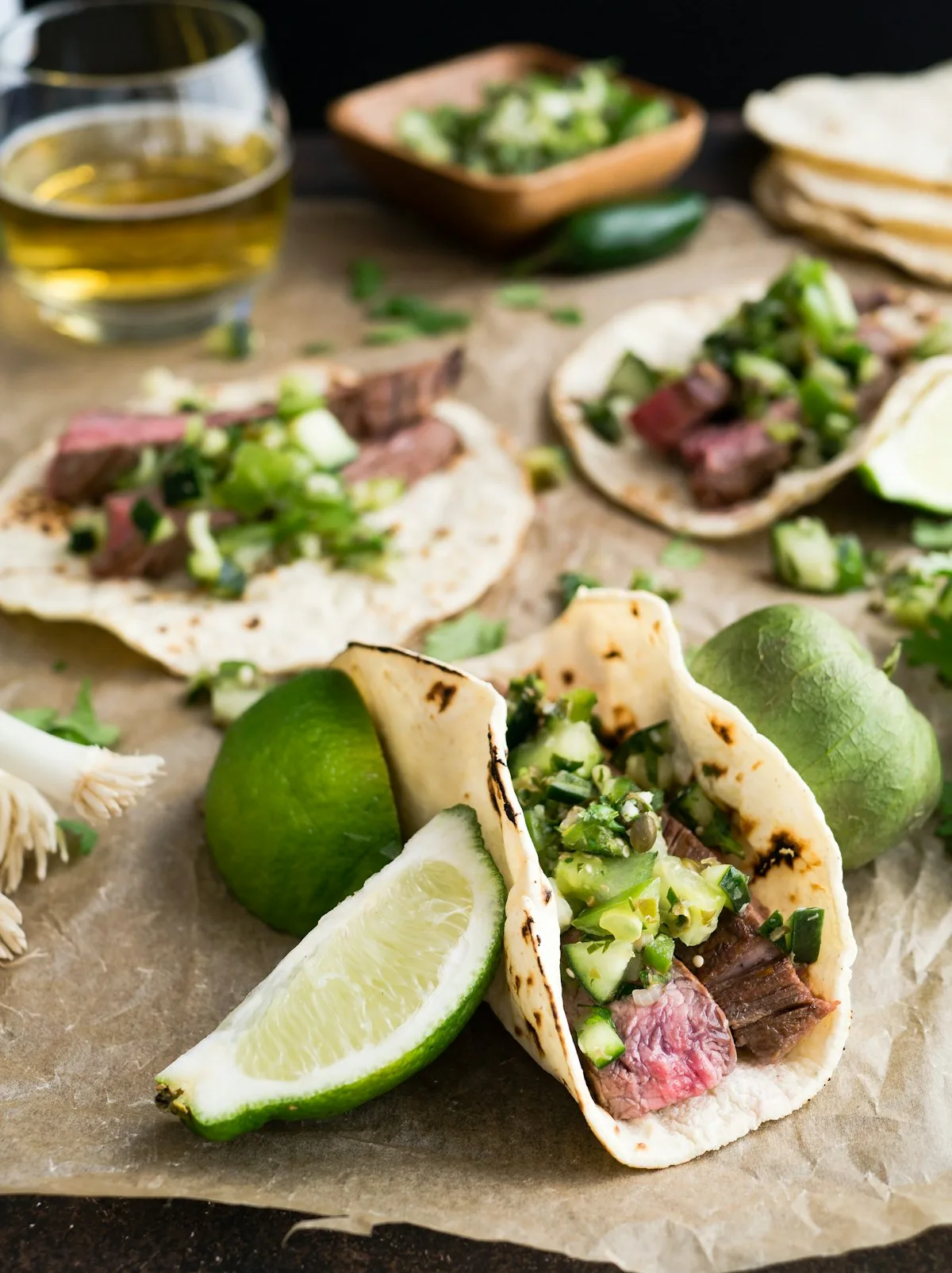
The ancestral process that defines Mexican cuisine
If you've ever wondered why Mexican tortillas taste so different from American cornbread or Italian polenta, the answer is one word: nixtamalisation. This ancestral process, developed over 3,500 years ago by Mesoamerican civilisations, is one of the great technological achievements of ancient humanity, and it remains the foundation of modern Mexican cooking.
What is nixtamalisation?
Nixtamalisation is the process of cooking dried corn kernels in an alkaline solution, usually water with calcium hydroxide (slaked lime). The process involves boiling the corn with lime for 30-45 minutes, leaving it to soak overnight (8-14 hours), then washing it to remove the outer skin and excess lime. The result is nixtamal: transformed, swollen, soft corn kernels that are ground to obtain fresh masa for tortillas, tamales, gorditas, sopes, and dozens of other dishes.
The science behind nixtamalisation
Releases niacin (vitamin B3)
Raw corn contains niacin, but it's trapped in a form the human body cannot absorb. The alkaline solution breaks these molecules and makes niacin bioavailable. Without this process, populations depending on corn as a staple develop pellagra. When Europeans took corn to Europe in the 16th century without nixtamalisation, pellagra became an epidemic.
Increases calcium
The calcium hydroxide adds calcium directly to the corn. Nixtamalised tortillas contain significantly more calcium than untreated corn.
Improves proteins
Nixtamalisation improves the amino acid balance of corn, making its proteins more complete and easier to digest. Combined with beans, the traditional Mexican diet of tortillas and beans provides complete protein without meat.
Transforms the texture
The lime partially gelatinises the corn starches, creating the cohesive, flexible texture that allows tortillas to be formed. Without nixtamalisation, corn flour simply crumbles; you cannot form a tortilla that bends without breaking.
Masa harina vs cornflour: the crucial difference
This is a very common confusion, especially in the UK. They are fundamentally not the same thing:
- Masa harina: Corn treated with lime, cooked, dried and ground. Forms cohesive dough with just water. Brands: Maseca, Bob's Red Mill.
- Cornflour: Simply dried and ground corn. Does not form dough; used as thickener or for cornbread.
- Polenta: Coarsely ground corn without nixtamalisation. Cannot be used for tortillas.
- PAN flour: Pre-cooked corn flour for Venezuelan arepas. Pre-cooked but NOT nixtamalised.
Can you nixtamalise corn at home in the UK?
Yes, it's possible. You need dried corn for nixtamal (MexGrocer or Cool Chile Co), calcium hydroxide/slaked lime (Amazon UK, £5-8 for 500g, or 'chuna' from Indian shops), and a corn mill or powerful food processor. The home process involves dissolving lime in water, boiling corn for 30-45 minutes, soaking overnight, washing thoroughly, then grinding the wet nixtamal into fresh masa.
Fresh masa made from home-nixtamalised corn is incomparably better than reconstituted masa harina. However, for most UK cooks, masa harina is an excellent practical alternative that produces very good results.

Founder, Recetas Mexas
Mexican from Puebla, IT professional and foodie. Author of 1000+ authentic Mexican recipes adapted for home kitchens worldwide. Based in Madrid since 2018.
Read more