Tequila, Mezcal and Raicilla: Reading the Label in a British Bottle Shop
One line on the back label decides whether a bottle is agave or industrial sugar. What the NOM tells you, what additive-free means, and where raicilla fits.
 EB
Edmond Bojalil
Recetas Mexas
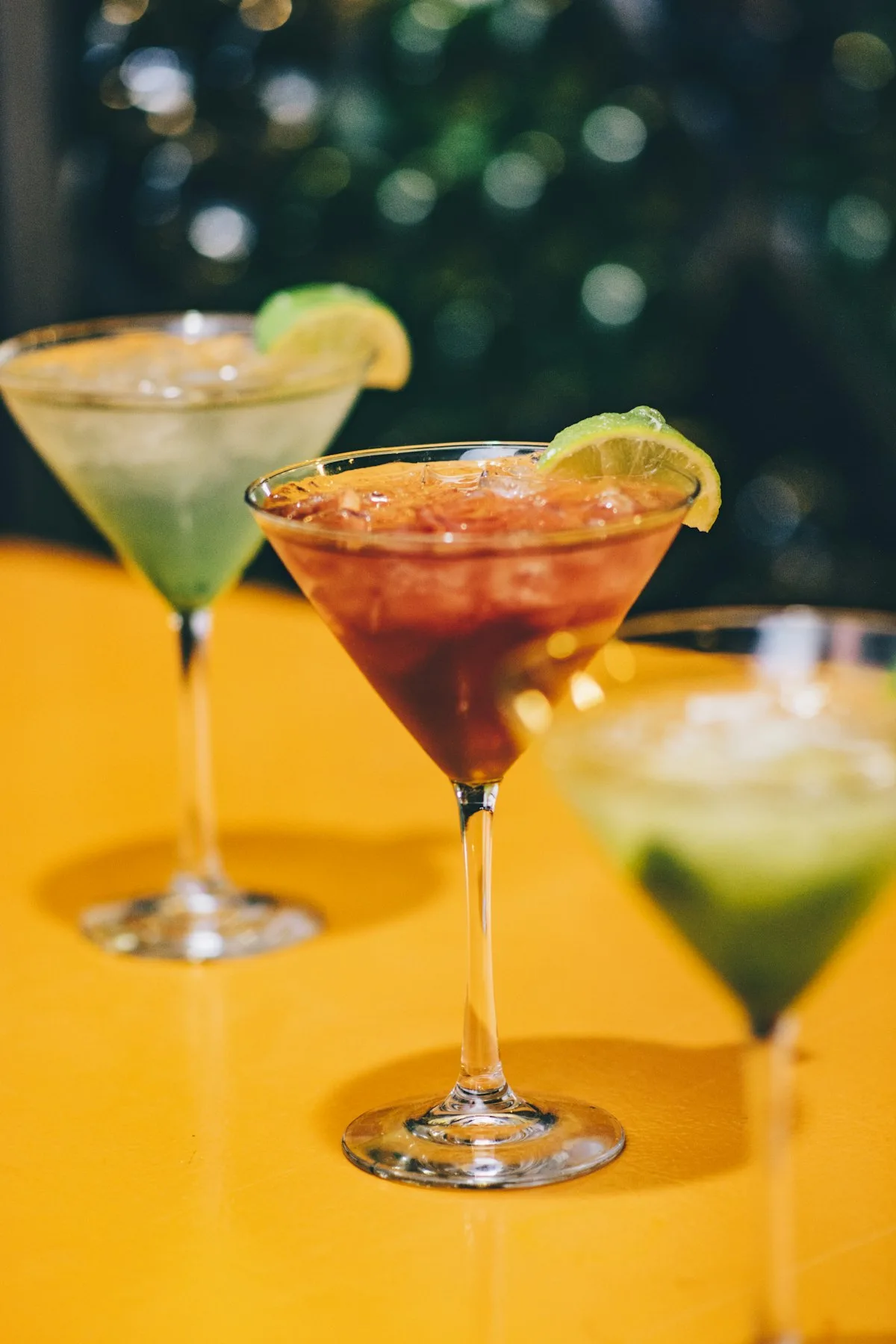
We already have three articles on agave spirits: a beginner's guide to tequila, a comparison of mezcal and tequila for British drinkers, and a piece on mezcal culture from Oaxaca to British bars. This one is narrower and more practical: you are holding a bottle in a shop, and you want to know what the label is telling you before you pay for it. Along the way it covers the three spirits those articles do not, because they barely reach Britain and almost nobody explains them.
The only line that matters, and it is on the back
Find the words 100% de agave, or 100% agave azul. If they are there, every fermentable sugar in the bottle came from blue agave. If they are not there, the bottle is a mixto, and up to forty-nine per cent of the sugars may be something else, usually cane sugar or corn syrup. It will still say tequila on the front, in large friendly letters, because mixto is a legal category.
This single distinction explains most bad experiences with tequila. The hangover reputation, the harsh solvent note, the need to bury it under salt and lime: those belong to mixto. The front label will not warn you. The back label tells you by what it omits, which is why the habit is to turn the bottle round first and read the front second.
The NOM, and what you can and cannot learn from it
Every bottle of tequila carries a four-digit NOM number, which identifies the distillery where it was made. It does not identify the brand, and it does not identify quality. A single NOM can produce dozens of brands, some of them very good and some of them not, because distilleries make spirit under contract for brand owners who own no still at all.
What the number is genuinely useful for is consistency and honesty. If you find a bottle you like, the NOM lets you find other bottles from the same house, which is often a better predictor than the marketing. And it tells you that a brand with a long story about a family estate is or is not distilling its own spirit. Mezcal has a parallel system, with a producer and a region declared on the label and frequently the name of the maestro mezcalero as well, which is rather more informative than four digits.
What the category words mean, in time
| Word | Time in oak | What it does to the spirit |
|---|---|---|
| Blanco, silver, plata | None, or up to two months | The agave undiluted: vegetal, peppery, sometimes briny. The category that tells you most about the distillery. |
| Reposado | Two months to a year | Rounds the edges, adds vanilla and a light colour. The everyday category in Mexico. |
| Anejo | One to three years | Oak starts to lead. Closer in profile to a young whisky, and further from the plant. |
| Extra anejo | Over three years | Dominated by the barrel. Priced as a luxury spirit, and in our view the category where you pay most for the agave you taste least. |
| Joven, oro, gold | Varies, often none | A blend, and frequently a mixto coloured with caramel. The category that most often hides something. |
None of these are rankings. A blanco is not the apprentice version of an anejo; it is the version where you can still taste what the agave and the distiller did. If you want to learn what a producer is capable of, buy their blanco.
Additive-free, and why the phrase exists
Tequila regulations permit a small quantity of additives, which may be used without appearing on the label: oak extract, glycerin, sugar syrup and caramel colour are the usual four. In tiny proportions they smooth a spirit and make it taste rounder and sweeter, which is commercially attractive and masks the character of the agave.
Because the additives are not declared, an informal additive-free movement has grown up, with independent verification lists and bottles that state it voluntarily. It is not a legal term, and seeing it on a label is a claim rather than a certification. It is still a useful signal: a producer who volunteers the statement is telling you what they think their spirit tastes like without help. Mezcal under its own standard is considerably more restrictive, which is part of why mezcal tends to taste more like a place and less like a brand.
Mezcal is a category, not a flavour
All tequila is mezcal in the older sense of the word; mezcal as a protected denomination covers spirits from nine Mexican states, Oaxaca being the best known, made from dozens of agave species rather than one. Espadin is the workhorse and makes most of the mezcal on British shelves. Tobala, tepeztate, madrecuishe, arroqueno and the rest are wild or semi-wild agaves that take eight to twenty-five years to mature, which is why bottles of them cost what they cost.
The label will also tell you how it was made, and this is where mezcal is unusually transparent. Ancestral means clay pot still and, usually, a stone mill turned by a horse. Artesanal allows copper stills and wooden vats. Plain mezcal permits modern column distillation. The smoke everyone associates with mezcal comes from roasting the agave hearts in an earth pit, and its intensity varies enormously between producers; it is a processing signature, not an inherent quality of agave.
Raicilla, bacanora and sotol: the three you will struggle to find
Raicilla comes from Jalisco and has had its own denomination of origin since 2019, covering municipalities in the sierra and along the coast around Puerto Vallarta. It is made chiefly from Agave maximiliana in the mountains and Agave inaequidens or angustifolia nearer the coast. For most of the twentieth century it was effectively clandestine, distilled for local consumption and sold without paperwork, which is the reason it arrived late to export markets. The flavour sits apart from both tequila and mezcal: often less smoky than mezcal, with a herbal, green, sometimes funky and fermented note. A handful of specialist importers bring it into the UK and it appears in a small number of bars, almost never in a supermarket.
Bacanora is from Sonora, in the north, made from Agave angustifolia, locally called pacifica. It was banned in Mexico from 1915 until 1992, which is an extraordinary thing to be able to write about a drink, and it received its denomination of origin in 2000. It tends to be drier and more mineral than mezcal, with less smoke.
Sotol is not an agave spirit at all, which is the single most common misunderstanding about it. It is distilled from Dasylirion, the desert spoon plant, a different genus entirely, and comes from Chihuahua, Durango and Coahuila. The flavour is herbaceous, grassy and often distinctly green, closer to a terroir-driven eau de vie than to tequila. It has its own denomination of origin.
Why do all three barely reach British shelves? The honest answer is economics rather than taste. Producers are small, often working with wild plants and tiny annual volumes; the denomination paperwork and UK excise and labelling requirements cost the same whether you ship a pallet or a container; and an importer needs volume to justify the work. The result is that these spirits reach specialist retailers and cocktail bars and effectively nowhere else. If you see one, the bottle in front of you may well not be there next month.
How to taste it, which is not how Britain learned to drink it
The salt, the lime and the shot are a mixto ritual: the salt dulls the palate, the lime scrubs it, and the speed stops you noticing. With a 100 per cent agave spirit they actively prevent you from tasting anything.
The Mexican way is a wide shallow cup, a copita or veladora, or a small tulip glass if that is what you own. A measure sits in the bottom, barely a mouthful. You smell it with your mouth slightly open, because the alcohol vapour is sharp in the nose alone. You take a very small sip and move it across the whole tongue rather than swallowing it. And you drink it over twenty minutes, not twenty seconds.
Two companions are traditional and both help: a glass of water, and sangrita, a chilled non-alcoholic chaser of citrus, tomato and chilli sipped between mouthfuls. In Oaxaca, orange slices with sal de gusano, salt ground with toasted chilli and moth larvae, do the same job. None of these are mixers; they are palate resets.
What this means in a British shop
Supermarket spirits aisles carry mostly mixto tequila and a small number of 100 per cent agave bottles, usually blanco and reposado from large producers. Specialist off-licences and online spirits retailers are where the range widens: single-estate tequilas, espadin mezcal from named producers, and occasionally a raicilla or a sotol. Mexican restaurants and the better cocktail bars often hold bottles you cannot buy retail at all, and a measure in a bar is the cheapest way to find out whether you like a category before committing to a bottle. The Mexican restaurants and cantinas we have mapped are in our directory, with addresses and whatever Google publishes about them.
If you want one bottle to understand the category, make it a 100 per cent agave blanco tequila or an espadin mezcal from a named producer. Then read the back label of everything else you pick up, which takes four seconds and is the entire skill.
Common questions
Is there really a worm in mezcal?
A moth larva in the bottle is a mid-twentieth-century marketing device, not a tradition, and serious producers do not do it. The larva ground into salt, served alongside, is a genuine Oaxacan practice.
Does anejo mean better than blanco?
It means older. Oak adds vanilla and tannin and subtracts agave, and which of those you prefer is a matter of taste rather than quality.
Can I substitute mezcal for tequila in a cocktail?
Yes, with the understanding that the smoke will dominate. In a margarita it produces a genuinely different drink, and a good one.

Founder, Recetas Mexas
Mexican from Puebla, IT professional and foodie. Author of 1000+ authentic Mexican recipes adapted for home kitchens worldwide. Based in Madrid since 2018.
Read more