Clay pots: the types, how to season them and what they are for

Edmond Bojalil · Founder, Recetas Mexas
Updated: 15 Nov 2026
What is it?
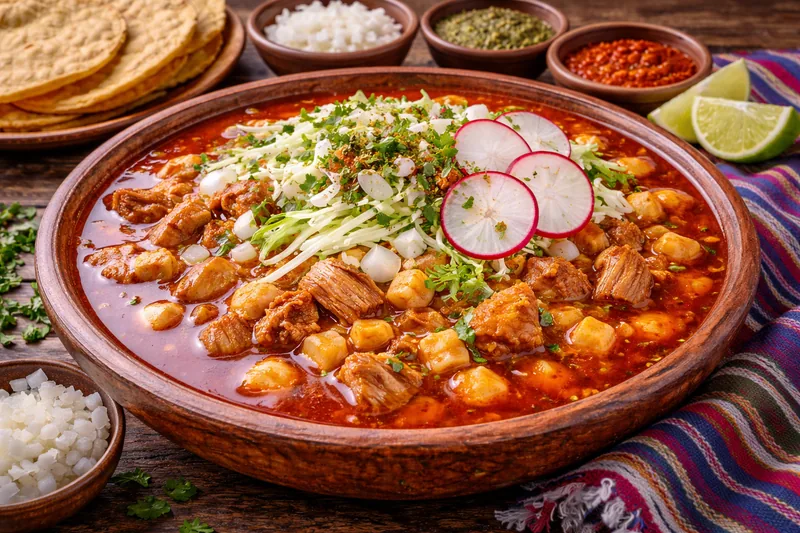
Clay pots are Mexican utensils for the slow cooking of beans, moles, atoles, rice dishes and traditional stews. Potters make them by hand from local clay fired in wood-burning kilns, and the clay spreads heat evenly, holds a constant temperature and gives food a deeper, earthier flavour.
Their natural porosity retains the aromas of previous dishes, enriching every new stew. Common types include bean pots (pot-bellied and wide), mole pots (deeper), atole pots (long-necked) and shallow cazuelas. States such as Oaxaca, Michoacán, the State of Mexico, Puebla and Tlaxcala keep living pottery traditions alive, supplying markets at home and abroad.
Origin and history
Clay pottery is one of the oldest traditions in Mesoamerica, with archaeological evidence going back more than 4,000 years. Sites such as Tlatilco, Tlapacoya, Teotihuacán and Monte Albán reveal pots, cazuelas, amphorae and vessels used for cooking, storage and ritual. In the sixteenth century, Fray Bernardino de Sahagún described the diversity of pots and cazuelas used in Mexica kitchens. After the conquest, Mexican pottery absorbed European techniques (the wheel, glazes, enamels) but kept the traditional form and function of pots for cooking beans, atoles and stews. Through the colonial period and the nineteenth and twentieth centuries, pottery villages such as Atzompa and San Bartolo Coyotepec (Oaxaca, green and black clay), Capula (Michoacán, red pots), Patamban (Michoacán, green glaze), Metepec (State of Mexico), Tlayacapan (Morelos) and San José de Gracia (Michoacán) specialised in distinct styles.
Characteristic ingredients
Clay pots are made from each region's local clay, shaped by hand or on the wheel, left to dry in the sun and fired in wood-burning kilns at low temperatures (traditional kilns rarely exceed about 800°C). Sizes vary: bean pots of 1-5 litres, mole pots of 5-30 litres (the largest reserved for weddings and patron saint festivities), atole pots with a narrower neck, and wide, shallow cazuelas. Regional technique varies too: in Oaxaca, the black clay of Coyotepec is burnished with stone and left unglazed; the green clay of Atzompa may be glazed or left natural; in Capula lead glazing is used (now transitioning to lead-free glazes); in Patamban the pineapple-green finish is characteristic. Before first use they must be seasoned: fill them with water and a handful of lime or bicarbonate of soda and boil for 1-2 hours to seal the porosity. Some prefer to season them with a clove of garlic and oil. Seasoned pots last for decades and improve with use, building up a patina of flavour. WARNING: only pots certified lead-free should be used, as lead glazing is toxic.
Cultural significance
Clay pots are a symbol of traditional Mexican cuisine. In indigenous and rural communities they are everyday utensils, handed down through the generations. Frijoles de olla cooked in clay are one of Mexico's most representative dishes, considered impossible to match in a pressure cooker. The moles of Oaxaca, Puebla and Michoacán are traditionally prepared in large clay cazuelas for festivities. The pottery economy sustains thousands of families in producer villages such as Capula, Atzompa, Coyotepec and Metepec. The Mexican government, through FONART and the Ministry of Culture, promotes the use of certified lead-free clay to guarantee food safety. Contemporary Mexican restaurants use clay pots as a symbol of authenticity and for preparations where clay is functionally superior.
Related recipes
Now that you know what it is, try cooking it at home with our step-by-step recipes:



Where to try it
Prefer to eat out? Discover authentic Mexican restaurants across the UK.
Explore Mexican restaurantsMore guides in this category
- Iron comal: what it is and how it is used in the kitchen
- Jícara: what it is, what it is made from and what it is used for
- Metate: what it is, what it is for and how it is used
- Molcajete: what it is, what it is for and how to season it
- Molinillo: what it is, what it is for and how to use it
- Pichancha: what it is and its role in making nixtamal
Frequently asked questions
- What is the difference between a clay pot and an enamelware pot?
- The clay pot distributes heat evenly, retains aromas and gives slow-cooked stews a distinctive flavour. The enamelware pot (enamelled steel) is light, durable and indestructible. Clay is preferred for traditional beans, moles and atoles; enamelware is practical for intensive use and modern kitchens. Each has its place in Mexican cooking.
- What does food cooked in a clay pot taste like?
- It has a deeper, earthier, more aromatic flavour than food cooked in metal. Beans develop a thick broth with mineral notes, moles reduce and concentrate without catching, and atoles keep a silky texture. The patina built up from previous uses enriches every new stew. Slow cooking allows the flavours to come together fully.
- How do you season a new clay pot?
- Rinse it with water, then fill it with enough water to cover the interior, add a handful of quicklime or bicarbonate of soda and boil for 1-2 hours. Discard the water, rinse and leave to dry. Some cooks add a clove of garlic and a splash of oil to seal the porosity. A seasoned pot can be used with confidence for all kinds of slow cooking.
- How can you tell whether a clay pot contains lead?
- Pots with a shiny traditional glaze (green, brown, yellow) usually contain lead, which is dangerous to health. Lead-free pots usually carry the "sin plomo" (lead-free) mark promoted by FONART, although some pieces marked this way still contain lead. For food use, unglazed pots (natural clay) or those with modern lead-free glazes are preferred. When in doubt, it is best to use the pot only for decorative or non-food purposes.
Sources
Founder, Recetas Mexas
Mexican from Puebla, IT professional and foodie. Author of 1000+ authentic Mexican recipes adapted for home kitchens worldwide. Based in Madrid since 2018.
Read moreEnjoyed this?
Follow on TikTok for Mexican recipe & restaurant videos, and get updates by email.