
Sugar Skulls
Handcrafted sugar skulls for Día de Muertos, decorated with colourful icing and personalised with the name of the departed.
About this Sugar Skulls recipe
Decorated sugar skulls for the Day of the Dead altar. A Mexican artisan sweet made with icing sugar, meringue powder and bright colours.
History and origin of Sugar Skulls
Sugar skulls are one of the most iconic and recognisable objects of Mexican culture worldwide. They emerged during the colonial period, when Spanish missionaries attempted to fuse the pre-Hispanic tradition of honouring the dead — which the Aztecs celebrated in July and August — with the Catholic festivities of All Saints' Day and All Souls' Day, on 1st and 2nd November respectively. The sugar-moulding technique originated in Italy, where since the 17th century sugar figures known as "paste reali" had been crafted to decorate religious altars. The New Spanish missionaries adapted this technique using locally available ingredients: cane sugar and water, to which meringue powder was later added to give structural strength to the figures. The result was this smiling, colourful and festive skull that has nothing morbid about it: in Mexico, death is not taboo but a natural part of the cycle of life. Each skull is personalised with the name of the departed written on the forehead in brightly coloured icing: red, green, yellow, blue. This personalisation is fundamental, as the little skulls are placed on the Día de Muertos altar alongside photographs of the deceased, their favourite foods, marigold flowers and lit candles to guide their spirit home. UNESCO declared the Day of the Dead festivity an Intangible Cultural Heritage of Humanity in 2008, and with it the sugar skulls became ambassadors of Mexican identity worldwide. Today they are made in artisan workshops in Oaxaca, Puebla and Mexico City throughout October, and are among the most sought-after gifts for both Mexicans and tourists wishing to take home a piece of the soul of Mexico.
Estimated cost
£5.08
Total cost
£0.64
Per serving
* Approximate prices based on UK supermarkets
Nutritional information per serving
120
Calories
1g
Protein
30g
Carbohydrates
0g
Fat
0g
Fibre
15mg
Sodium
* Approximate values. May vary depending on ingredients used.
How to make Sugar Skulls
- 1
Prepare the skull moulds (special plastic or clay moulds can be used). Lightly grease the inside with a little vegetable oil and set aside. If you do not have moulds, you can use aluminium foil to shape the skulls by hand.

💡 A very thin film of oil is all you need: too much marks the surface and stops the icing sticking. Wipe it on with kitchen paper and remove any excess.
- 2
In a large bowl, mix the sifted icing sugar with the meringue powder. Add the water little by little, mixing with your hands, until you have a firm paste that can be shaped without sticking. The consistency should be like soft modelling clay.

💡 If the mixture is too sticky, add more icing sugar. If too dry, add water drop by drop.
- 3
Take portions of the paste and press them firmly into the skull moulds, making sure they reach every corner. Smooth the top with a spatula or damp fingers so the base is flat.

💡 If you are making large skulls in two halves, hollow out the centre with a teaspoon, leaving a 1 cm wall: they dry inside in half the time. Then stick the halves together with royal icing.
- 4
Carefully demould by tapping the mould gently on a padded surface. Leave the little skulls to dry at room temperature for at least 8 hours or overnight. They must be completely hard before decorating.

💡 Patience is key: if you try to decorate before they are dry, the icing will sink.
- 5
Prepare the royal icing by mixing the additional icing sugar with the meringue powder and lemon juice. Add water drop by drop until you achieve a thick consistency that holds its shape when piped. Divide into small bowls.

💡 The icing is ready when it forms a peak that doesn't bend as you lift the spoon. Cover the bowls with a damp tea towel, because royal icing forms a crust within a few minutes.
- 6
Colour each bowl of icing with a few drops of food colouring: red for the lips and flowers, green for floral details, yellow for marigold flowers and blue for the eyes. Mix each colour well.

💡 Use gel food colourings for more intense, vibrant colours.
- 7
Using a piping bag or a plastic bag with a corner snipped off, decorate the skulls: draw flowers around the eyes, arabesques on the forehead and write the name of the departed in white icing. Leave the icing to dry for 2 hours before placing on the altar.

💡 Each skull is unique: there is no wrong way to decorate them, only celebration.
Sugar Skulls FAQ
What people ask about this recipe
Can you eat sugar skulls?
How long do sugar skulls last?
What is meringue powder and what can I use instead?
Why do my sugar skulls crack or crumble?
What is the difference between sugar skulls and alfeñique?
Can I make sugar skulls in humid weather?
Related Articles

Rate this recipe

Founder, Recetas Mexas
Mexican from Puebla, IT professional and foodie. Author of 1000+ authentic Mexican recipes adapted for home kitchens worldwide. Based in Madrid since 2018.
Read moreRelated Recipes

Chongos Zamoranos
Curdled milk cooked slowly in cinnamon syrup, a speciality of Zamora.

Piloncillo Sugar Syrup
Piloncillo syrup with cinnamon and cloves for buñuelos, churros and Mexican desserts.

Milk Jelly with Cajeta
Silky milk jelly with Mexican goat's milk caramel

Mexican Chocolate and Chilli Truffles
Dark chocolate truffles with Mexican cinnamon, ground ancho chilli and a dash of mezcal. A vegan dessert with deeply Mexican flavours.

Tamarind and Chilli Sweets
The most classic Mexican sweet: tamarind pulp balls with sugar and chilli powder. Sweet, sour, spicy, irresistible.

Mango Chamoy Ice Lollies
Natural mango ice lollies with chamoy and Tajín chilli. The most Mexican street ice lolly there is.
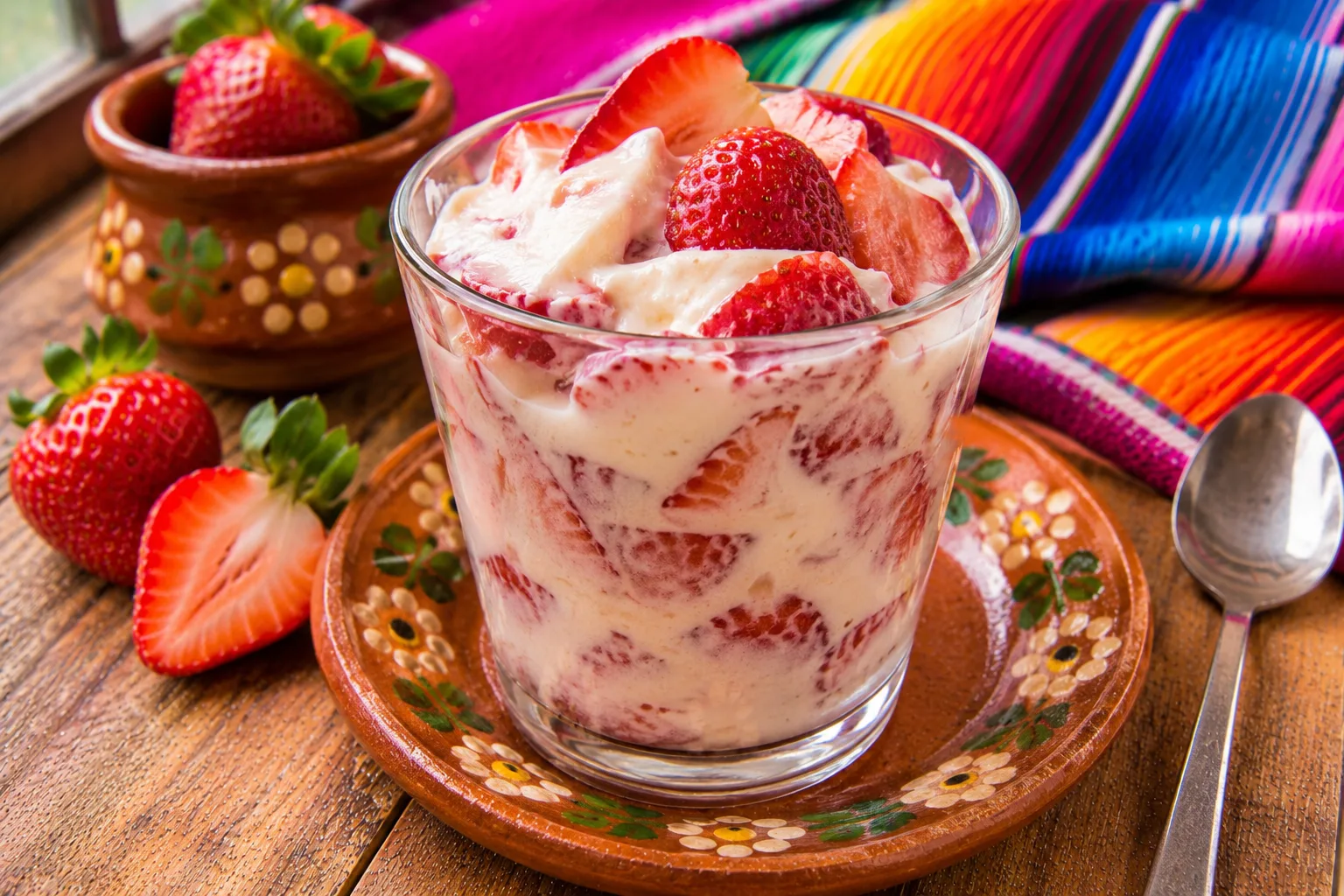
Mexican Strawberries and Cream (Fresas con Crema)
Fresh strawberries in a cold, sweet cream of single cream, condensed milk and vanilla. Ready in 15 minutes.
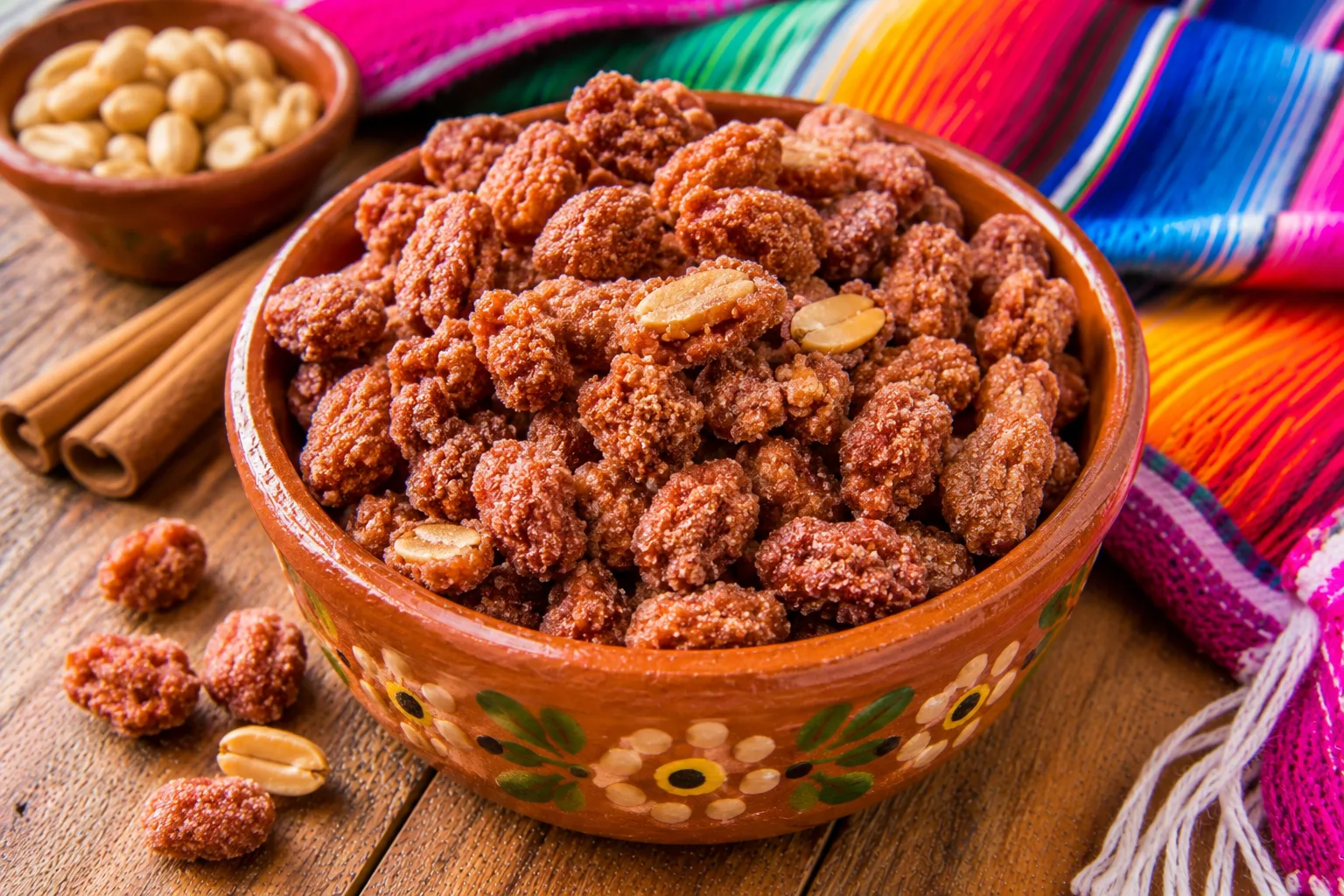
Mexican Candied Peanuts (Cacahuates Garapiñados)
Peanuts coated in a crunchy shell of crystallised sugar and cinnamon, made in a frying pan. Ready in 25 minutes.
1-2 November
Day of the Dead cooking
Recipes, guides and articles to prepare an ofrenda at home.
Recipes
Ofrenda guides
Read more
Related Guides
Learn more about these ingredients and dishes
Enjoyed this?
Follow on TikTok for Mexican recipe & restaurant videos, and get updates by email.