
Mamón (Veracruz Sponge Cake)
Fluffy egg-rich sponge cake in the traditional style of Veracruz.
About this Mamón (Veracruz Sponge Cake) recipe
Mamón is a fluffy and soft egg-rich sponge from Veracruz, made with eggs beaten to ribbon stage, sugar, flour and butter, baked in individual or ring moulds with a light and airy crumb.
History and origin of Mamón (Veracruz Sponge Cake)
Mamón is a whisked-egg sponge cake from the family of egg breads that arrived with Spanish baking during the colonial period, like marquesote and ladyfinger sponge. Almost all its volume comes from the air the eggs trap as they are whisked with the sugar, which is why it has a very light crumb that readily soaks up coffee, chocolate or syrup. It is sold in traditional bakeries in several regions of Mexico, and both the name and the recipe change from place to place: there is mamón in the south-east and on the Isthmus of Tehuantepec, and in the north there is a bread known as pan mamón. This version adds a little butter and baking powder, which gives a moister crumb and a more reliable result at home, and it is flavoured with lemon zest. It is baked in individual moulds or a ring mould and eaten plain, dunked in black coffee or hot chocolate, or used as the base for desserts soaked in syrup or rompope (Mexican eggnog).
Estimated cost
£3.08
Total cost
£0.38
Per serving
* Approximate prices based on UK supermarkets
Nutritional information per serving
220
Calories
5.5g
Protein
40g
Carbohydrates
5g
Fat
0.5g
Fibre
120mg
Sodium
* Approximate values. May vary depending on ingredients used.
How to make Mamón (Veracruz Sponge Cake)
- 1
Preheat the oven to 180°C. Grease individual moulds or a ring tin.
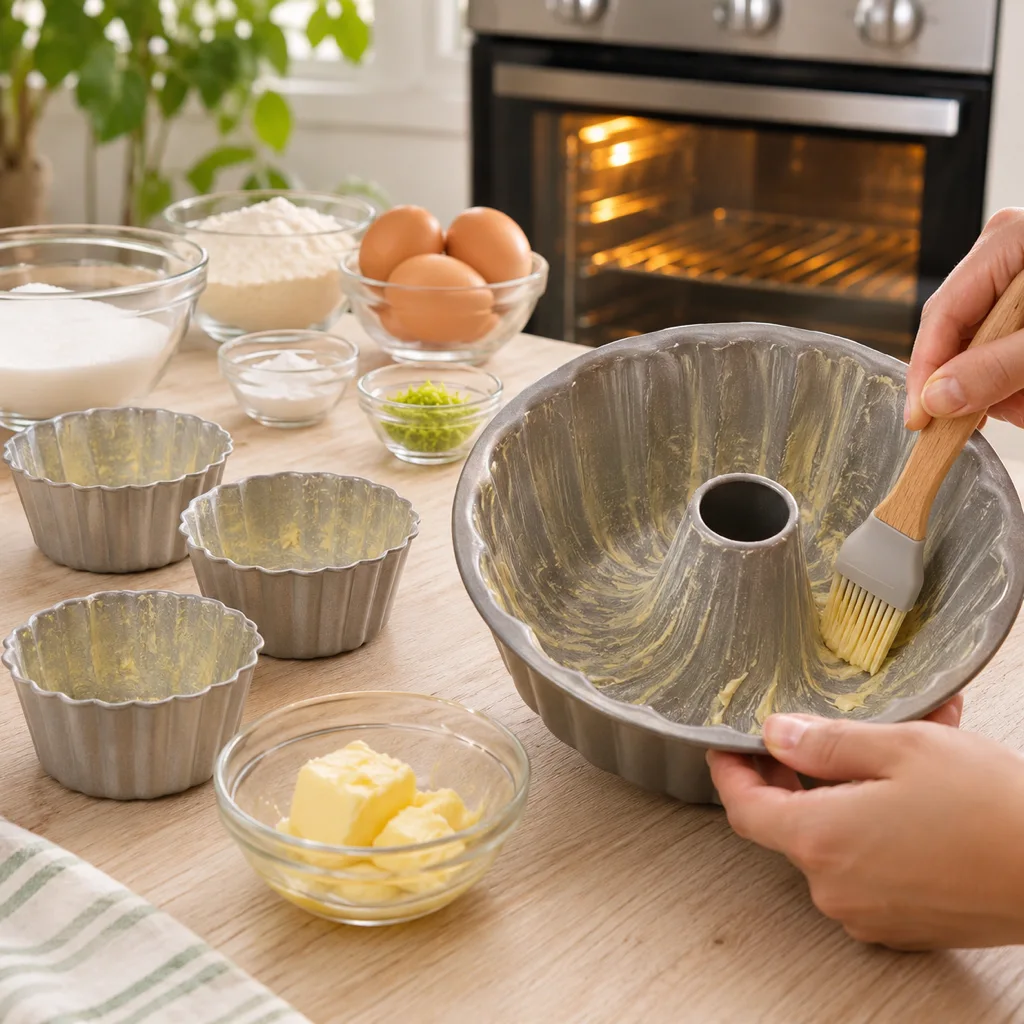
💡 Grease and flour the mould, tapping out the excess flour; in a ring mould, pay extra attention to the central tube, which is where it tends to stick. Have the oven hot before you start whisking: the whisked batter loses air if it has to wait.
- 2
Beat the eggs with the sugar on high speed for 8-10 minutes until the mixture is very fluffy, pale and has tripled in volume.
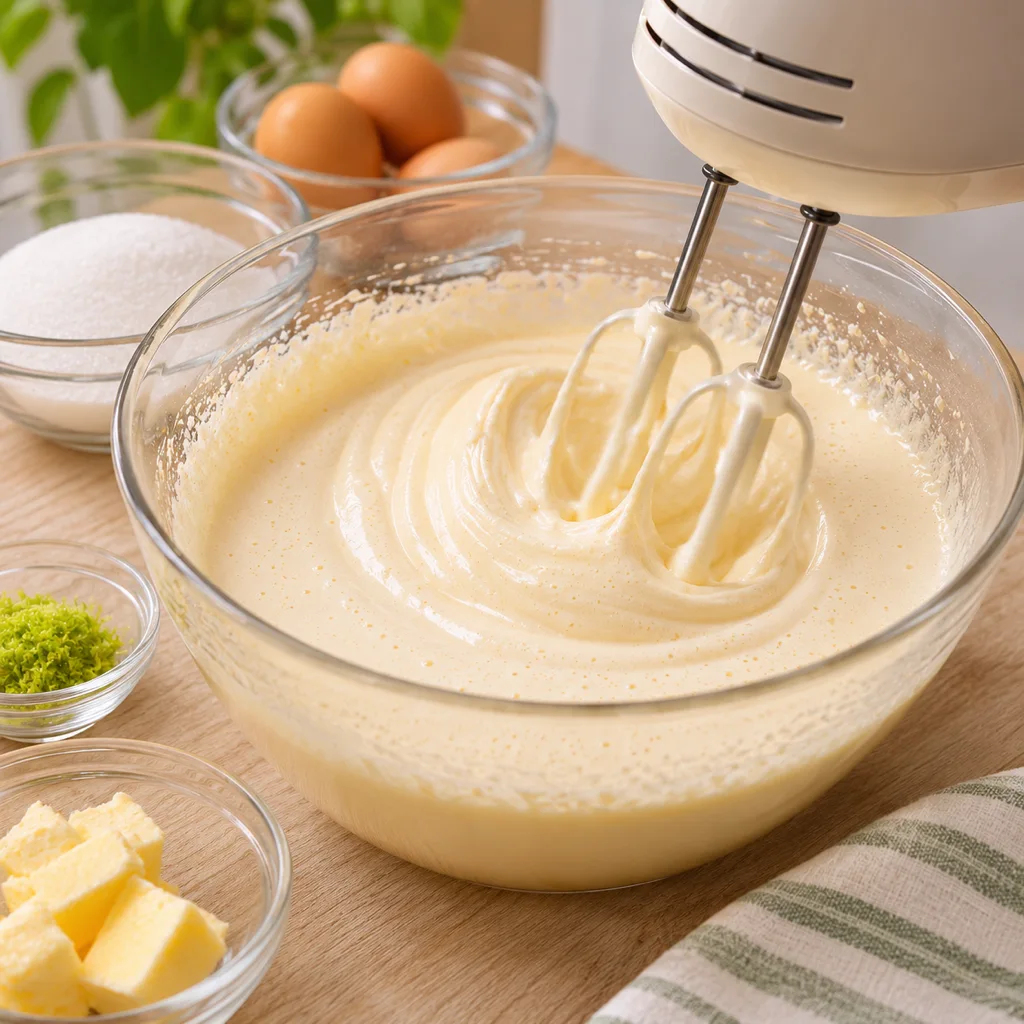
💡 This prolonged beating is the secret of mamón; do not skip this step.
- 3
Add the melted, cooled butter and the lemon zest. Fold in gently with a figure-of-eight motion.
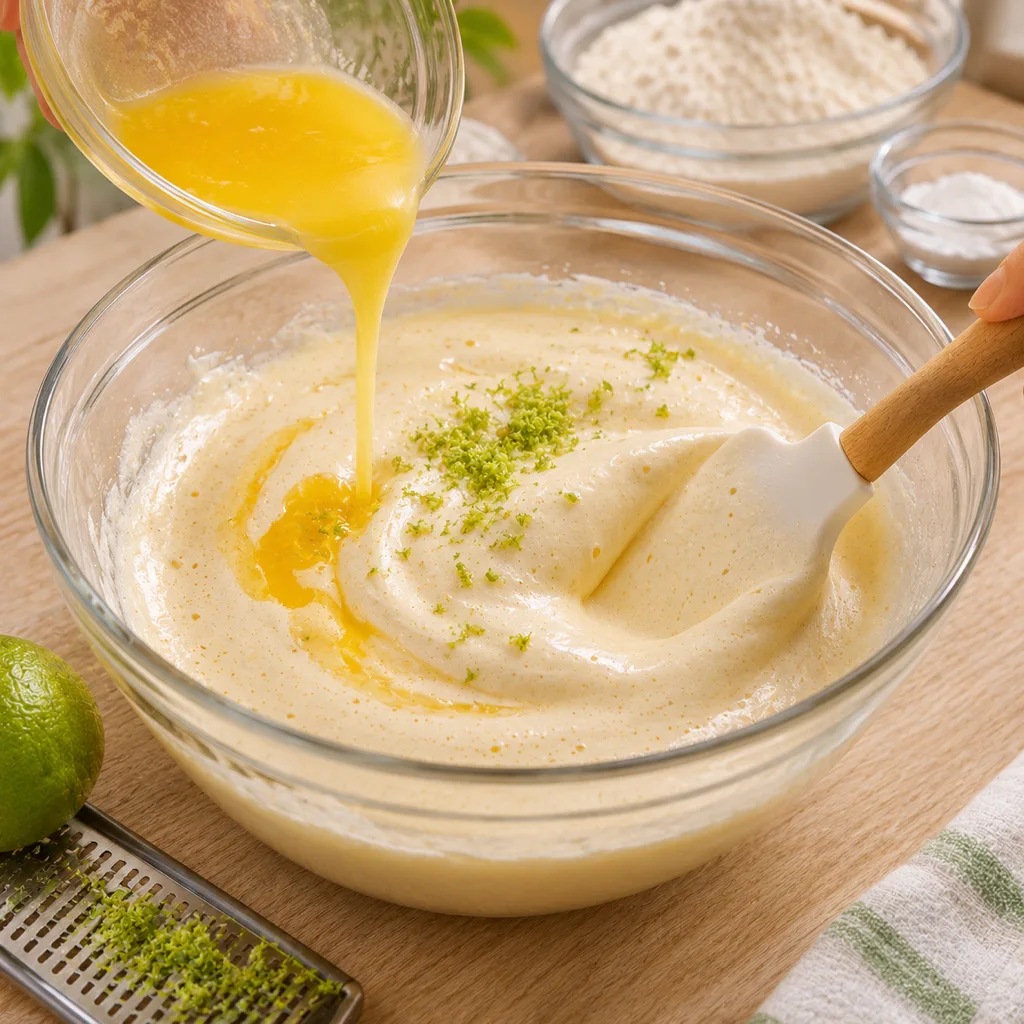
💡 The butter should be lukewarm, not hot: if you add it very hot, it cooks the egg and the foam collapses. Mix a spoonful of the foam with the butter first, then fold that mixture into the rest; that way it blends in without knocking the batter down.
- 4
Sift the flour with the baking powder. Fold in two additions using very gentle movements to preserve the air.
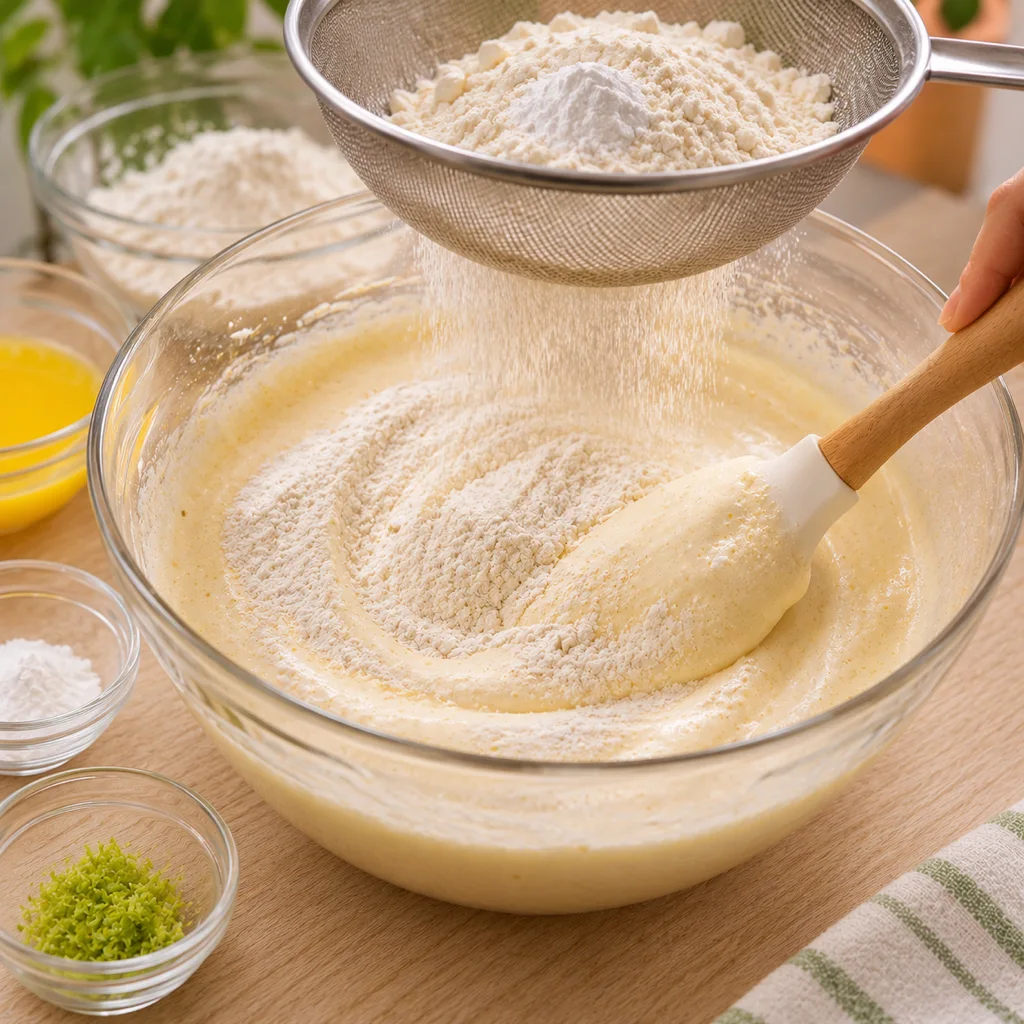
💡 Use a large spatula and cut down through the centre of the batter, sweep along the bottom and come up the side, turning the bowl a quarter turn each time. Stop as soon as you can't see any dry flour: over-mixing is the most common cause of a flat, dense mamón.
- 5
Pour the batter into the moulds, filling to three-quarters full. Bake at 180°C for 25-30 minutes.
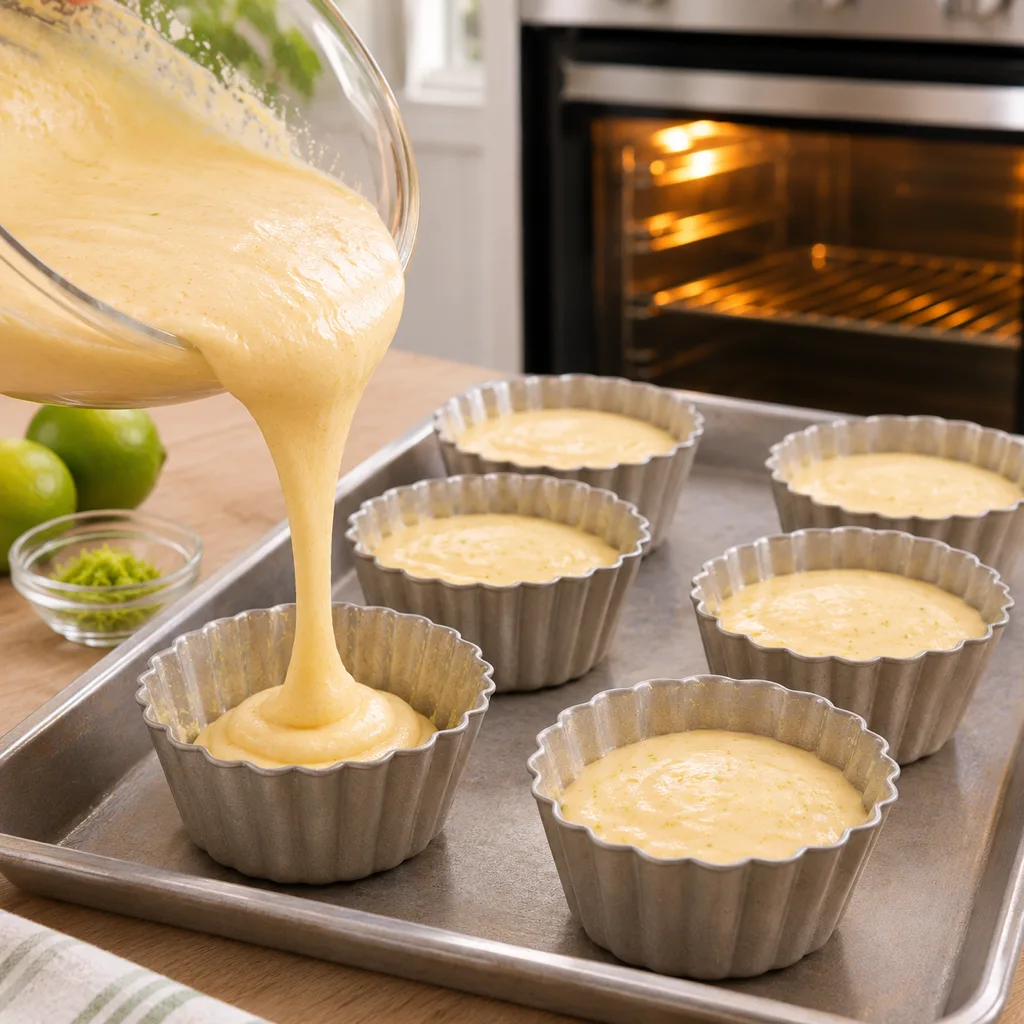
💡 Individual mamones take less time than a large mould; check from 22 minutes.
- 6
Leave to cool in the tin for 10 minutes. Turn out and serve at room temperature with coffee or hot chocolate.
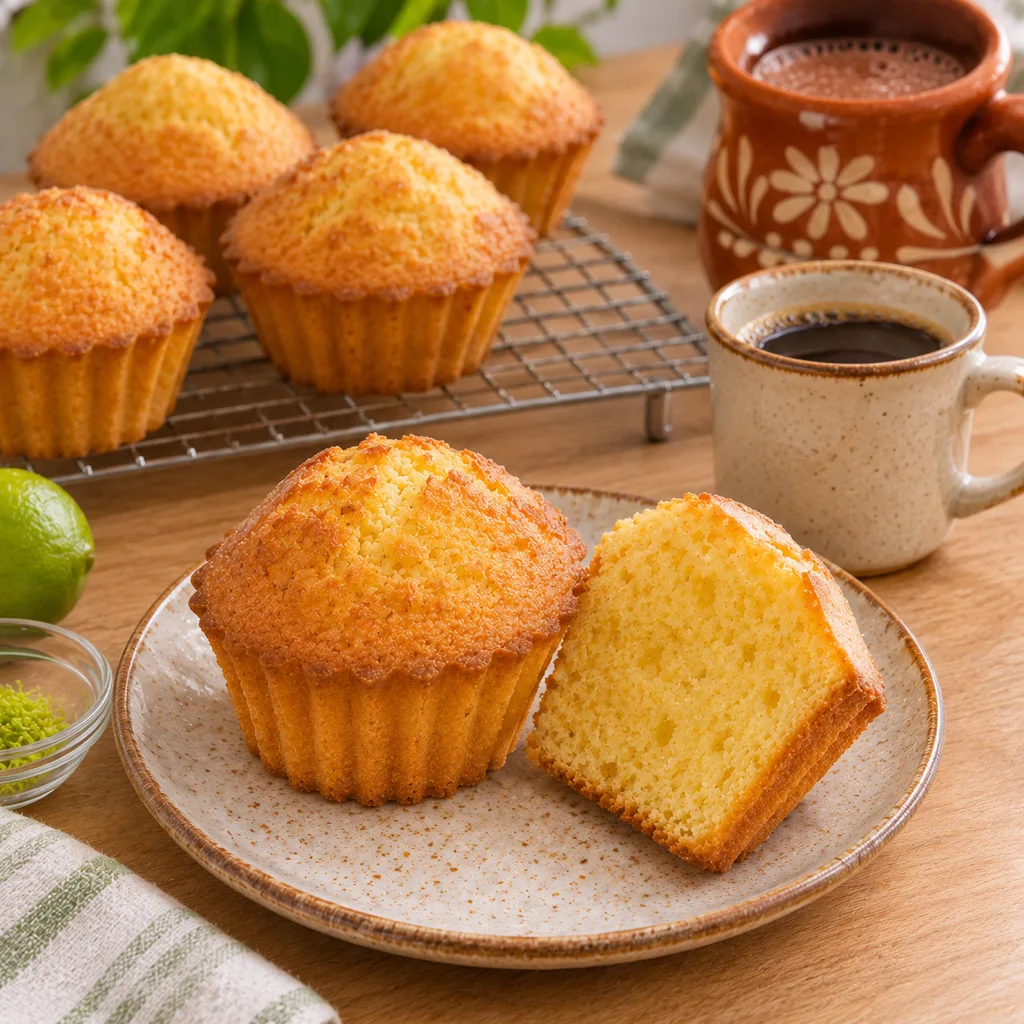
💡 If the centre sinks a little as it cools, turn it out by inverting the mould onto a wire rack: the sponge finishes settling without the weight of its own crumb. Only store it once it is completely cold so it doesn't release moisture and turn stodgy.
Key ingredients and substitutions
- Eggs. They are the main raising agent: the long whisking with the sugar traps the air that creates the crumb. Use eggs at room temperature; cold eggs take longer to whip and reach less volume. If your eggs are straight from the fridge, put them in warm water for 10 minutes.
- Plain flour. Gives the foam its structure. Ordinary plain flour works better than strong bread flour, which makes the crumb chewier. Always sift it: lumps mean more mixing, and the batter loses air.
- Butter. Adds moisture, flavour and a more tender crumb than a fat-free sponge. It can be replaced by the same amount of neutral vegetable oil; the mamón comes out slightly moister and less aromatic.
- Lemon zest. Adds fragrance and masks any eggy smell. Grate only the coloured layer, not the white pith, which is bitter. It can be swapped for orange zest or 1 teaspoon of vanilla extract.
Variations
- Soaked mamón. Prick the cold mamón and pour over a syrup made from 200 ml water and 100 g sugar boiled for 5 minutes, flavoured with cinnamon or a splash of sweet liqueur or rompope. It ends up moist and is served cold.
- Without baking powder. The most classic version of whisked-egg sponges rises on air alone. Leave out the baking powder and whisk the eggs with the sugar for up to 12 minutes; the crumb is finer and slightly drier.
- With cornflour. Replace 50 g of the flour with cornflour for a softer, more crumbly texture, closer to marquesote.
- Cinnamon mamón. Swap the lemon zest for 1 teaspoon of ground cinnamon sifted with the flour, and sprinkle cinnamon sugar over the top before baking.
Storage and reheating
Room temperature: 3-4 days in a covered container or bag, once cold. Fridge: only in very hot weather, because it dries out the crumb; it keeps for about 5 days. Freezer: up to 3 months, wrapped in cling film inside a zip-lock bag; thaw still wrapped at room temperature. If it has dried out, a few seconds in the microwave covered with a damp cloth softens it again, or use it for a syrup-soaked version.
How to serve
Serve at room temperature, as individual cakes or in slices if baked in a ring, with black coffee, café de olla (spiced Mexican coffee) or hot chocolate for dunking. As a dessert, pair it with fresh fruit (strawberries, mango), whipped cream or a splash of rompope.
Mamón (Veracruz Sponge Cake) FAQ
What people ask about this recipe
What is mamón?
What is the difference between mamón and marquesote?
Why does my mamón sink?
How do I know when mamón is cooked?
How long does mamón keep, and can it be frozen?
What do you eat mamón with?
Related Articles

Rate this recipe

Founder, Recetas Mexas
Mexican from Puebla, IT professional and foodie. Author of 1000+ authentic Mexican recipes adapted for home kitchens worldwide. Based in Madrid since 2018.
Read moreRelated Recipes

Piloncillo Sugar Syrup
Piloncillo syrup with cinnamon and cloves for buñuelos, churros and Mexican desserts.

Cocadas de Horno (Baked Coconut Macaroons)
Baked coconut macaroons with condensed milk, crispy outside and chewy inside.

Dulce de Pepita (Pumpkin Seed Brittle)
Crispy pumpkin seed brittle with piloncillo, a pre-Hispanic sweet from Puebla and Oaxaca.

Manjar Blanco (Colonial Milk Custard with Almonds)
Creamy colonial milk custard with almonds, cinnamon and orange blossom water, of Arab and Spanish heritage.

Churro Ice Cream Sandwich
A viral fairground dessert: crisp cinnamon-sugar churros sandwiching a scoop of vanilla ice cream.

Mexican Hot Chocolate Cookies
Soft, fudgy cookies spiced with cinnamon and a hint of chilli, inspired by Mexican drinking chocolate.

Veracruz-Style Prawns with Tomato and Olives
Prawns in Veracruz salsa with tomato, olives, capers and fresh herbs.

Veracruz Octopus in Garlic Chilli Oil
Tender octopus sautéed in olive oil with garlic, árbol chilli and guajillo.
Related Guides
Learn more about these ingredients and dishes
Enjoyed this?
Follow on TikTok for Mexican recipe & restaurant videos, and get updates by email.