Mexican Desserts for Every Occasion
The best Mexican desserts for every occasion: flan napolitano for every day, churros for parties, tres leches for celebrations and more. Recipes, history and where to find the ingredients in the UK.
 EB
EBEdmond Bojalil
Recetas Mexas
The shops and prices in this guide are from Spain.
Mexican baking is as rich and varied as its savoury cooking. With pre-Hispanic, Spanish and French influences, Mexican desserts offer unique flavours for every moment of the year. From the humble flan to the spectacular tres leches cake, there is a Mexican dessert for every occasion.
For Every Day: Flan Napolitano
Flan napolitano is the quintessential Mexican dessert. Smooth, creamy and with that golden caramel that makes it irresistible. It is made with milk, eggs, vanilla and a touch of cream cheese that gives it its characteristic texture - this is what sets it apart from Spanish flan, which is firmer.
It is perfect for every day because it is made in advance (it needs to be refrigerated for at least 4 hours), requires no advanced technique and the ingredients are cheap and accessible.
Ingredients: 1 tin condensed milk (Tesco, £1.30), 1 tin evaporated milk (£1.50), 5 eggs, 200g cream cheese (Philadelphia, £1.70), vanilla, 150g sugar for the caramel.
Mexican trick: The cream cheese is what makes flan napolitano special. Without it, it is Spanish flan. With it, it is a totally different creamy experience.
For Parties and Gatherings: Churros with Chocolate
Churros are a guaranteed hit at any gathering. Crispy, with sugar and cinnamon, and accompanied by hot chocolate. In the UK they already know them well, so they are a perfect cultural bridge.
The difference: Mexican churros tend to be thicker and smoother (without ridges), sometimes filled with cajeta (goat's milk caramel), chocolate or crème pâtissière. The Spanish ones are thinner and ridged. Both are delicious.
For the party: Make the dough in advance, fry small batches and keep them warm in the oven at 80°C. Guests can help themselves from the tray of sugar and cinnamon and choose their dip: chocolate, cajeta or jam.
Quantity: Allow 3-4 churros per person for dessert, 6-8 if it is the only sweet.
For Celebrations: Tres Leches Cake
The tres leches is a sponge cake soaked in a mixture of condensed milk, evaporated milk and single cream, topped with meringue or whipped cream. It is the favourite birthday cake in Mexico and much of Latin America.
Why it is special: The three-milk mixture soaks through the whole sponge, creating a moist, fluffy texture unlike any other cake. It is incredibly sweet and satisfying.
Preparation (requires resting): Bake a basic sponge, prick it all over with a fork, pour the warm tres leches mixture over it and refrigerate for at least 4 hours (ideally overnight). Cover with whipped cream and fruit when serving.
Trick: The sponge should be fluffy, not dense. The fluffiness is what allows it to absorb the milk mixture without falling apart.
For Christmas and Festivities: Buñuelos
Thin discs of fried dough sprinkled with sugar and cinnamon or drizzled with piloncillo syrup. They are the quintessential Christmas dessert in Mexico - at the posadas (pre-Christmas celebrations), they are a must.
Basic recipe: Flour, egg, butter, sugar, salt, baking powder. Form thin discs like large tortillas and fry in oil until they are golden and crispy. Sprinkle with warm sugar and cinnamon.
Tradition: In Mexico they are served with a piloncillo "syrup" (panela/unrefined brown sugar), cinnamon and guava. It is a flavour that defines Mexican Christmas.
For Autumn: Pan de Muerto
A special sweet bread made for the Day of the Dead (1-2 November). It has an orange and anise flavour, with a sugar crust and decorations that represent bones.
Symbolism: The crossed strips represent bones, the little ball on top is a skull. It is placed on the offerings (altars) for the departed along with their favourite foods, cempasúchil flowers and candles.
In the UK: It is a brioche-style bread with sugar. The ingredients (flour, sugar, eggs, butter, orange, anise) are all in any supermarket. If you enjoy making homemade bread, it is a beautiful recipe with deep cultural meaning.
For Any Day: Arroz con Leche
Mexican arroz con leche is creamier and sweeter than the Spanish version. It has condensed milk (in addition to whole milk), a cinnamon stick and raisins. It is comfort food in its purest form.
Preparation: Cook rice in water for 15 min, drain. Add milk, cinnamon and raisins, cook stirring for 20 min. Off the heat, add condensed milk. Serve warm or cold with ground cinnamon on top.
Price: It comes to less than £0.90/portion. It is one of the most economical desserts there is.
For an Afternoon Snack: Mexican Jelly
In Mexico, jelly is an art form. We are not talking about plain jelly - we are talking about multicoloured jellies, with layers, with milk, with suspended fruit. Mexican jelly shops are spectacular.
Milk jelly: Milk + flavourless gelatine + sugar + vanilla. It can be made in layers, alternating milk jelly with strawberry or lemon jelly. Children devour it and it is extremely easy to make.
Artistic jelly: If you want to impress, search for "gelatina artística mexicana" on YouTube - it is an art form where designs are injected into transparent jelly. It takes practice but the result is spectacular.
For the Daring: Cajeta (Goat's Milk Caramel)
Cajeta is dulce de leche made with goat's milk. It has a more intense and slightly salty flavour compared with Argentine dulce de leche (which uses cow's milk).
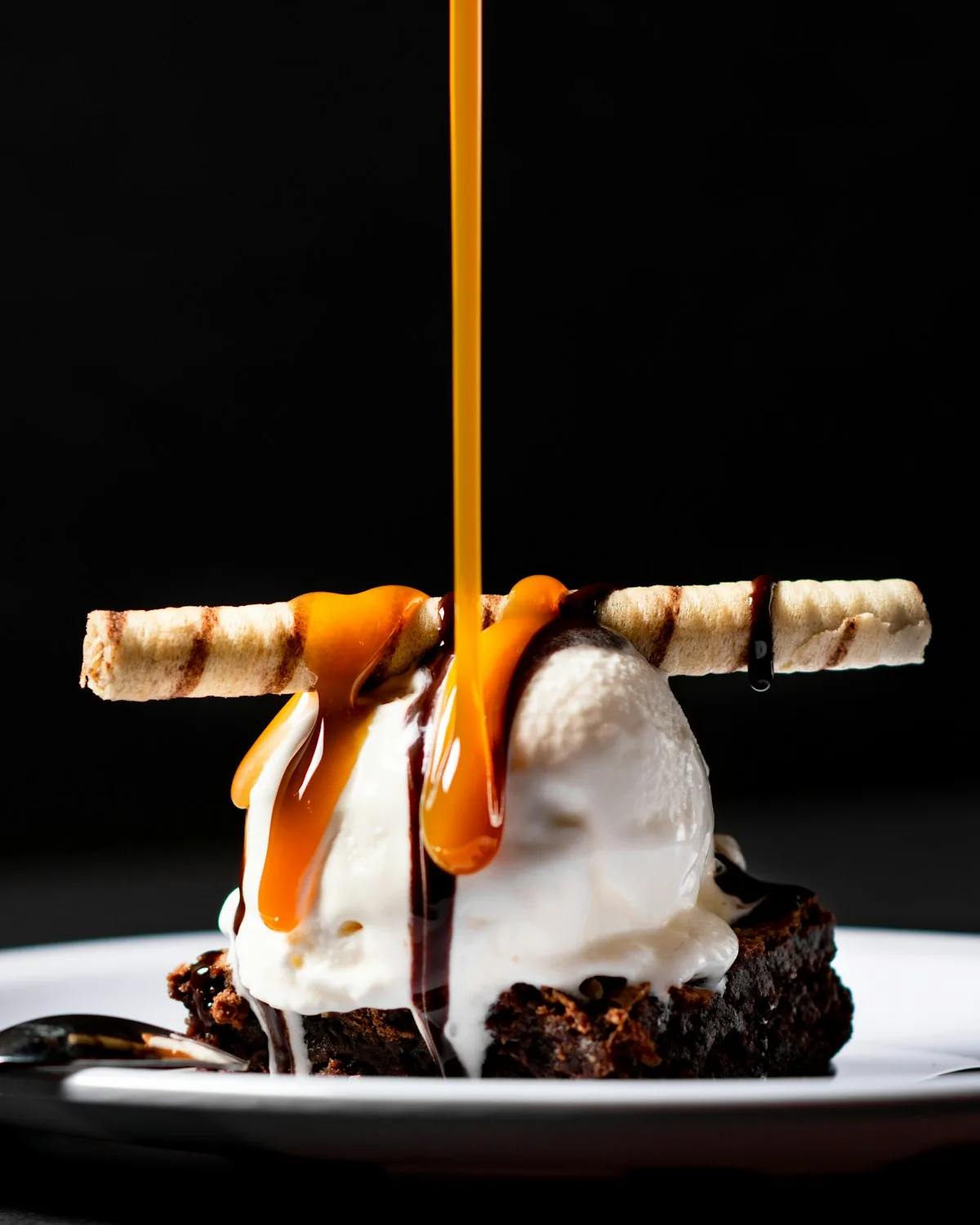
Uses: Filling for churros, over ice cream, in crêpes, as a dip with fruit, or simply by the spoonful (we will not judge you).
In the UK: Cajeta is found in Latin shops (Coronado is the classic brand, £3.40-4.30). If you cannot find it, Argentine dulce de leche is a close substitute and is more readily available (Tesco sometimes has it).
Desserts for Every Season
- Spring: Fruit jellies, mangonadas (mango with chamoy and chilli)
- Summer: Homemade fruit lollies (ice lollies in a mould with real fruit), nieves (sorbets)
- Autumn: Pan de muerto, calabaza en tacha (squash candied with piloncillo)
- Winter: Buñuelos, churros with chocolate, sweet tamales
Where to Find Ingredients in the UK
- Tesco: Condensed milk, evaporated milk, cream cheese, flour, sugar, cinnamon, chocolate.
- Latin shops: Cajeta, piloncillo (panela), Mexican marzipan, wafers, traditional sweets.
- Amazon: Jelly moulds, piloncillo, specialist ingredients.
Mexican desserts are a celebration of flavours, textures and traditions. Discover more sweet and savoury recipes in our complete catalogue.
Key Techniques of Mexican Baking
Mastering these fundamentals will allow you to tackle any Mexican dessert with confidence:
- The perfect caramel: For the flan, the caramel must reach a dark amber tone without burning. Put 150g of sugar in a saucepan over medium heat without touching it - just swirl the pan in a circular motion. When it reaches a deep honey colour (about 5-7 minutes), pour it immediately into the mould. The most common mistake is stirring it with a spoon, which crystallises the sugar.
- The right point for piloncillo syrup: For buñuelos, cook a cone of piloncillo (panela, £1.30-1.70 in a Latin shop) with 500ml of water, a cinnamon stick and orange peel. Boil over medium heat for 25-30 minutes until it thickens like maple syrup. If you cannot find piloncillo, substitute with Colombian panela or muscovado sugar (Lidl has it at £1).
- The tres leches soak: The mixture is poured over the sponge while it is warm, not cold. The heat opens the pores of the bread and allows even absorption. If you do it cold, the milks drain to the bottom.
- Lump-free churros dough: The water must be boiling when you add it to the flour. Beat vigorously for 2 minutes - if there are lumps, the churros will break when frying. The correct consistency is like firm modelling clay that holds its shape in the piping bag.
Mexican Desserts You Can Make Without an Oven
If you do not have an oven or prefer simpler recipes, these desserts are made entirely on the hob or in the fridge:
- Flan napolitano: It is cooked in a bain-marie on the hob (45-60 minutes) or in a pressure cooker (20 minutes under pressure). You do not need an oven.
- Arroz con leche: Everything in a saucepan, 35 minutes of cooking. Serve warm or cold.
- Jellies: You only need to heat milk or juice, dissolve the gelatine and refrigerate. Zero actual cooking.
- Ice lollies: Blend fruit with water and sugar, pour into moulds and freeze. The mango with chilli ones are addictive - 2 ripe mangoes + lime juice + a pinch of chilli powder + sugar.
- Dulce de camote: Cook sweet potato (camote) until it is soft, mash with sugar, cinnamon and a splash of orange juice. Form little rolls, wrap in greaseproof paper. In Mexico they are sold on the streets as a sweet treat, and in the UK sweet potato is cheap (£0.90-1.30/kg in Tesco).
- Cocada: Grated coconut (£1.70 in Tesco), condensed milk and egg yolks, cooked in a pan until it comes away. Form little balls or discs. It tastes like a coconut biscuit but much more intense.
Ingredient Substitutes in the UK
Some Mexican baking ingredients are not easy to find in the UK. Here are the best alternatives:
- Piloncillo → Colombian panela or muscovado sugar: The same family of unrefined sugar. Colombian panela is identical and is found in Latin shops (£0.90-1.70). Muscovado sugar from Lidl or Tesco works in liquid recipes such as the syrup for buñuelos.
- Cajeta → Dulce de leche + a pinch of salt: It is not the same (cajeta is made from goat's milk), but Argentine dulce de leche with a pinch of salt comes quite close. Brands such as Havanna or Sancor are found in Latin shops for £2.60-3.40.
- Mexican vanilla → Natural vanilla extract: The vanilla from Mexico (Papantla, Veracruz) is considered the best in the world, but any natural extract (not artificial essence) works. The Hacendado one from Tesco (£1.50) is acceptable; the Madagascar one from a health-food shop is superior.
- Cream cheese for flan → Philadelphia light: In Mexico classic Philadelphia is used, which in the UK costs £1.70 for 200g. The light version also works if you prefer a less dense flan.
- Evaporated milk → Ideal concentrated milk: It is exactly the same thing under a different brand name. It is found in Tesco, Sainsbury's and Lidl for £1.30-1.50 a tin.
Calendar of Mexican Desserts
In Mexico, certain desserts are deeply tied to specific dates. Incorporating this tradition enriches the experience:
- 6 January (Three Kings' Day): Rosca de Reyes - a sweet bread in the shape of a crown with crystallised fruit. A little figurine is hidden inside: whoever finds it must make tamales on 2 February.
- 2 February (Candlemas Day): Sweet tamales - pineapple, strawberry or chocolate, wrapped in corn husk.
- 15 September (Independence): Chongos zamoranos (curds in piloncillo syrup), ate con queso (Mexican quince paste).
- 1-2 November (Day of the Dead): Pan de muerto, sugar skulls, calabaza en tacha.
- December (Posadas): Buñuelos, hot fruit punch, sweet tamales.
Each dessert tells a story. Preparing them on the right dates connects you with centuries of tradition and turns a simple snack into a cultural celebration that you can share with friends and family in the UK.

Founder, Recetas Mexas
Mexican from Puebla, IT professional and foodie. Author of 1000+ authentic Mexican recipes adapted for home kitchens worldwide. Based in Madrid since 2018.
Read more