
Mezcal Sorbet with Worm Salt
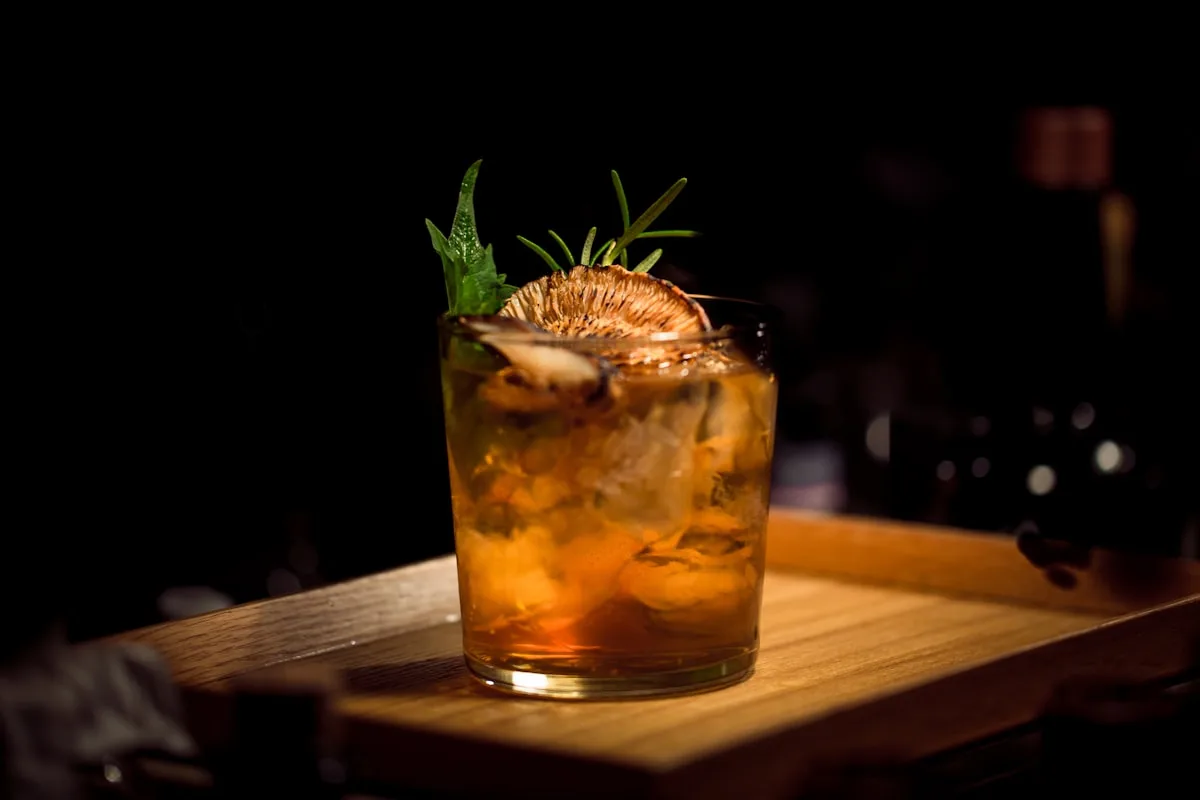
Mezcal espadín granita with worm salt, in the Oaxacan nevero tradition.
About this recipe
Artisan mezcal sorbet dusted with worm salt (sal de gusano) - an iconic Oaxacan flavour combination. The alcohol softens the freezing point to create a creamy, grainy texture with a smoky aroma and a hint of toasted agave worm.
History & Origin
Mezcal and worm salt are two of the most recognisable symbols of Oaxaca in the world. Combining them in a sorbet merges the state's ice-cream tradition with its mezcal culture. The maguey worm - larva of the Hypopta agavis - ground with salt and chilli forms sal de gusano, a condiment used with fruit, mezcal and, in this contemporary version, with ice cream. When the cold tempers the heat of the alcohol and the smokiness of the mezcal, the result is an unparalleled sensory experience.
Estimated cost
£52.18
Total cost
£6.52
Per serving
* Approximate prices based on UK supermarkets
Nutritional information per serving
150
Calories
1g
Protein
37g
Carbohydrates
0g
Fat
0g
Fibre
5mg
Sodium
* Approximate values. May vary depending on ingredients used.
Method
- 1
In a large bowl, combine the young mezcal, sour orange juice, grated piloncillo and water, stirring until the piloncillo is completely dissolved.

- 2
Taste the mixture. It should have an intense mezcal flavour with citrus notes. The alcohol will prevent it from freezing solid - that is exactly what you want.

- 3
Pour into a shallow metal tray. Place in the freezer for 1 hour.

- 4
Remove from the freezer and scrape vigorously with a fork. Return to the freezer for 45 minutes. Repeat the scraping process 4-5 times until you achieve a soft but firm granita texture.

- 5
Serve in chilled glasses. Dust generously with worm salt just before serving. The contrast between the smoky sorbet and the insect salt is the essence of this dessert.

Frequently asked questions
What people ask about this recipe
What is the mezcal worm?
Why is there a worm in the mezcal bottle?
Can you eat the mezcal worm?
What is worm salt (sal de gusano)?
Is it safe to drink mezcal with worm?
Which mezcal has a worm and which doesn't?
Related Articles


Rate this recipe

Founder, Recetas Mexas
Mexican from Puebla, IT professional and foodie. Author of 1000+ authentic Mexican recipes adapted for home kitchens worldwide. Based in Madrid since 2018.
Read moreRelated Recipes

Clamato Preparado
Tomato and clam juice with lime, hot sauce, Worcestershire sauce and a tajín rim.

Mexican Flag (Bandera Mexicana Tequila Ritual)
Three shot glasses representing the colours of the Mexican flag.

Oaxacan Atolillo (Corn Pudding Drink)
Oaxacan corn atolillo with cinnamon, piloncillo and vanilla. Ancient drink and dessert.

Vampiro Cocktail
Tequila cocktail with homemade sangrita. The quintessential Jalisco drink.
Enjoyed this?
Follow on TikTok for Mexican recipe & restaurant videos, and get updates by email.