Clay cazuela: what it is, what it is for and how to use it

Edmond Bojalil · Founder, Recetas Mexas
Updated: 12 Aug 2026
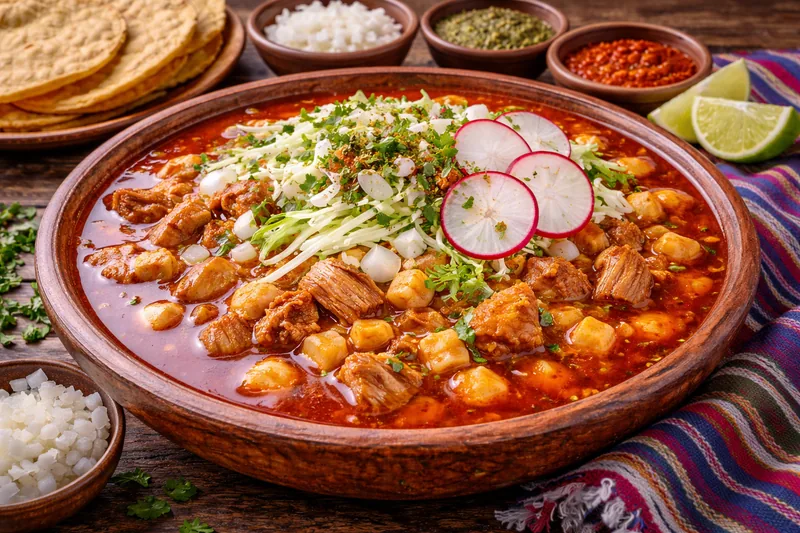
What is it?
The clay cazuela is the wide, shallow vessel that is fundamental to the preparation of moles, rice dishes, pipianes, slow braises and festive cooking in Mexican cuisine. More open than a pot and deeper than a comal, its shape allows you to fry, boil, reduce and serve in a single piece. Clay cazuelas are irreplaceable for authentic moles: only in clay do moles fully develop the integration of their ingredients (chillies, chocolate, spices, seeds, fruit) over hours of slow cooking. The porosity of the clay holds heat evenly and lets liquids thicken without catching on the bottom. The potters' villages of Oaxaca, Michoacán, the State of Mexico, Puebla and Guerrero produce cazuelas in different styles, sizes and glazes, keeping alive a millennia-old tradition honoured at festivals and gastronomic celebrations.
Origin and history
The clay cazuela is pre-Hispanic and is documented at Mesoamerican archaeological sites such as Teotihuacán, Cholula, Monte Albán and Tula going back more than 3,000 years. In the sixteenth century, Fray Bernardino de Sahagún described the diversity of cazuelas used by the Mexica to prepare stews, atoles, early moles (chilmolli) and other dishes. After the conquest, the clay cazuela merged with Spanish techniques: the convent cooking of the seventeenth century, especially in Puebla, refined complex moles such as mole poblano (attributed to Sor Andrea de la Asunción of the Santa Rosa convent) and the Oaxacan moles, all cooked in great cazuelas. During the colonial period, large cazuelas (30-60 cm in diameter) became central to convent kitchens and haciendas. The INAH and FONART document that potters' villages such as Capula and Patamban (Michoacán), Atzompa (Oaxaca), Metepec (State of Mexico) and Tlayacapan (Morelos) maintain their own technical and aesthetic traditions in cazuela-making. Some reach 80 cm across, for patron saint festivals and communal banquets.
Characteristic ingredients
Clay cazuelas vary in size, colour and regional tradition. The smallest (15-20 cm) are used for serving at the table, the medium ones (25-40 cm) for home cooking and the large ones (40-80 cm or more) for fiestas and communal celebrations. The most recognisable style is the Mexican cazuela of red clay with hand-painted white flowers, typical of Tonalá and Tlaquepaque (Jalisco). Other styles include the green-glazed clay of Patamban (Michoacán), the burnished black clay of San Bartolo Coyotepec (Oaxaca), the natural red clay of Capula and the polychrome red clay of Metepec. Before first use, the cazuela must be seasoned: fill it with water and a handful of lime or bicarbonate of soda and boil for 1-2 hours to seal the porosity. Some prefer to season with milk or garlic. Cooking in a cazuela calls for a low flame: clay does not withstand abrupt changes in temperature. Modern certified cazuelas are lead-free; older glazed pieces may contain lead and should be kept for decorative service only.
Cultural significance
The clay cazuela is a heritage cultural object of Mexico, recognised as an essential element of traditional Mexican cuisine, declared Intangible Cultural Heritage of Humanity by UNESCO in 2010. Great cazuelas of mole take centre stage at weddings, quinceañeras, patron saint festivals and communal banquets in villages across Oaxaca, Puebla, Tlaxcala, the State of Mexico and Michoacán. The traditional moles (poblano, Oaxacan black, red, yellow, green, manchamanteles) are prepared in large cazuelas over many hours, in a collective practice that brings several cooks together. Religious festivities such as the posadas, wakes and patron saint feasts call for cazuelas of mole served at the table. At Día de Muertos, cazuelas appear on altars bearing mole, rice and other favourite dishes of the departed. Mexico City markets such as Jamaica and the Mercado de Sonora sell cazuelas from every region, keeping the pottery economy alive. FONART and the Ministry of Culture promote certified lead-free cazuelas.
Related recipes
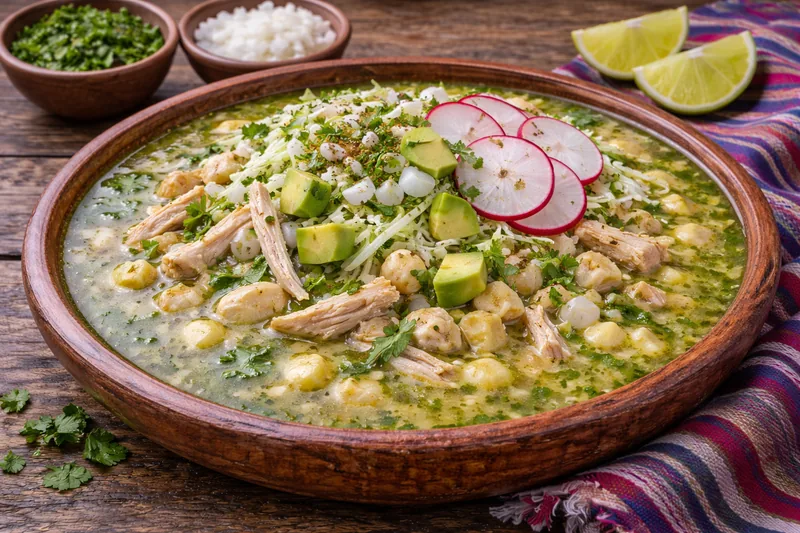
Now that you know what it is, try cooking it at home with our step-by-step recipes:



Frequently asked questions
- What is the difference between a cazuela and a clay olla?
- The olla is tall and round-bellied and is used for boiling generous quantities of liquid (beans, atoles, soups). The cazuela is wide and shallow, ideal for frying off ingredients, moles, thick stews and any preparation where liquids need reducing. The cazuela also doubles as a serving vessel: it goes straight from the hearth to the table for serving mole.
- What does food cooked in a clay cazuela taste like?
- It has a deeper flavour, with earthy notes absent from food cooked in metal. Clay distributes heat evenly, allowing flavours to meld without burning. Moles develop their full aromatic complexity, rice releases its starch gradually and pipianes keep their essential oils. The patina a cazuela acquires enriches each successive dish.
- How do you season a new clay cazuela?
- Rinse it with water and fill it with water to cover the interior; add a handful of quicklime or bicarbonate of soda; boil for 1-2 hours over a low heat. Discard the water, rinse and leave to dry. Some cooks add a clove of garlic and oil to seal the porosity. After each use, clean it without abrasive soap and let it air-dry.
- Where do Mexican clay cazuelas come from?
- Clay cazuelas originated in Mesoamerica, with documented use going back more than 3,000 years. Today the main production centres are Tonalá and Tlaquepaque (Jalisco, red cazuelas with flowers), Capula and Patamban (Michoacán), San Bartolo Coyotepec and Atzompa (Oaxaca), Metepec (State of Mexico) and Tlayacapan (Morelos), each with its own unique styles.
Sources
Founder, Recetas Mexas
Mexican from Puebla, IT professional and foodie. Author of 1000+ authentic Mexican recipes adapted for home kitchens worldwide. Based in Madrid since 2018.
Read moreEnjoyed this?
Follow on TikTok for Mexican recipe & restaurant videos, and get updates by email.