Guajillo chilli: what it is, heat, uses and substitutes

Edmond Bojalil · Founder, Recetas Mexas
Updated: 12 Aug 2026

What is it?
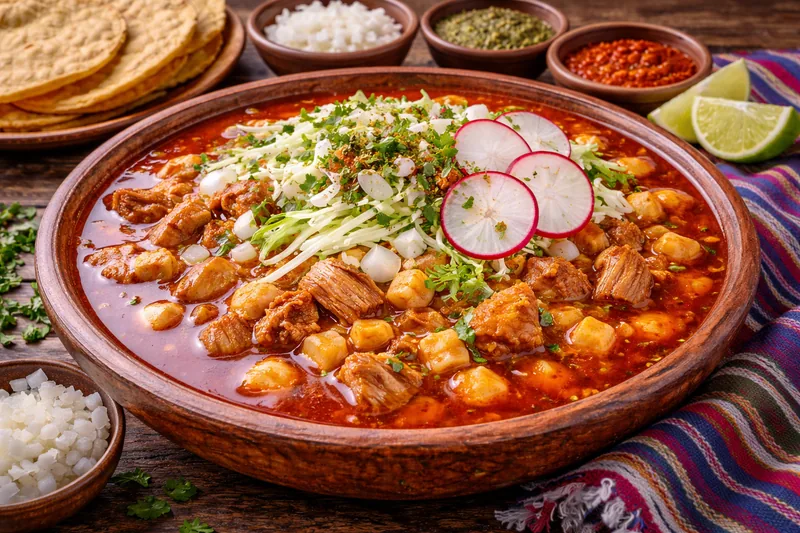
Chile guajillo is the dried mirasol chilli, one of the most consumed dehydrated chillies in Mexico alongside the ancho. Elongated in shape, bright red in colour and with a smooth skin, it measures between 10 and 15 cm and adds a fruity flavour with a touch of acidity and a moderate heat (2500-5000 Scoville units). It is grown above all in Zacatecas, Durango, San Luis Potosi and Aguascalientes, and is part of the landscape of the great chilli-drying patios of the Mexican Altiplano. It is a key ingredient of Jalisco birria, red pozole, meat adobos, red salsas, chilaquiles and many regional moles of central and northern Mexico.
Origin and history
The mirasol chilli, which gives rise to the guajillo, was already known to the Mesoamerican cultures. Its name comes from Nahuatl because its fruits grow pointing upwards, looking at the sun (mirasol). The colonial sources mention it among the everyday chillies of the Altiplano, and from the 17th century the custom of drying it in the sun to preserve it became established. Larousse Cocina notes that the guajillo is, alongside the ancho, the best-selling dried chilli in Mexico. In the Bajio and north-central states, producers dry the ripe-harvested mirasols until the skin becomes translucent and crisp. SIAP reports Zacatecas as the leading national producer of dried chilli, with the guajillo as the main variety. In Jalisco, the guajillo became the backbone of the traditional birria of Cocula, a dish declared Gastronomic Heritage of the state.
Characteristic ingredients
The guajillo comes from the fresh mirasol chilli, which is left to ripen to an intense red before being harvested and sun-dried for five to ten days. The dried pod is glossy, with firm, crisp skin, practically smooth, unlike the ancho which is wrinkled. There are different calibres: the common guajillo, the guajillo puya (smaller and spicier) and a large guajillo called in some markets 'mirasol grande'. It adds a flavour more of red fruits, a citrus hint and notes of green tea, with a moderate heat of 2500 to 5000 Scoville units. Before use it is deveined, deseeded and lightly toasted on a comal to avoid bitterness; it is then hydrated in hot water for 10 to 15 minutes. Its thick skin requires prolonged blending and sometimes straining to obtain fine salsas. It combines very well with ancho, pasilla, tomato and spices such as cumin, clove and oregano.
Cultural significance
The guajillo is one of the most consumed chillies in Mexico and is indispensable in emblematic dishes such as beef and goat birria of Jalisco, red pozole of Guerrero and Jalisco, enchiladas potosinas, carnitas adobos and red salsas for tacos al pastor. It is part of traditional Mexican cuisine, inscribed by UNESCO as Intangible Cultural Heritage. Its production is strategic: Zacatecas is the country's largest producer of dried chilli, with the guajillo at the forefront, generating thousands of rural jobs in the Altiplano. The great drying patios of Fresnillo, Calera and Villa de Cos are part of the state's cultural landscape. It is also the most exported dried chilli alongside the ancho, and appears in markets throughout Latin America as an icon of Mexican cooking.
Related recipes
Now that you know what it is, try cooking it at home with our step-by-step recipes:


Ingredients to cook it
Find where to buy authentic ingredients in Mexican shops in the US:
Frequently asked questions
- What is the difference between chile guajillo and chile ancho?
- The guajillo comes from the mirasol chilli and is elongated, with smooth, glossy skin, a fruity flavour and a slight heat (2500-5000 SHU). The ancho comes from the dried poblano, is wider and wrinkled, with a sweet prune flavour and very little heat (1000-2000 SHU). They are usually combined in moles and adobos, because the ancho adds sweetness and body and the guajillo a bright red colour and a touch of heat.
- What does chile guajillo taste like?
- It has a fruity and slightly sour flavour, with notes of red fruits, green tea, prune and a citrus touch. Its heat is moderate (2500-5000 Scoville units), comparable to fresh poblano chilli. When lightly toasted on a comal it develops smoky aromas and a caramelised sweetness that defines the flavour of birria and adobos.
- What is chile guajillo used for?
- It is the base of Jalisco birria, red pozole, enchiladas potosinas, adobos for carnitas and barbacoa, chorizo, red salsas for tacos and many regional moles. It also adds colour and flavour to chicken and beef marinades, soups such as caldo tlalpeno and table salsas. It is usually combined with chile ancho, tomato, garlic and spices.
- Where does chile guajillo come from?
- The mirasol chilli from which it comes is native to Mesoamerica and is grown especially in the Mexican Altiplano. Today the main guajillo-drying area is Zacatecas, followed by Durango, San Luis Potosi and Aguascalientes. It is the most cultivated dried chilli in Mexico according to SIAP and an identity ingredient of the cuisines of the Bajio and the west, especially Jalisco.
Sources
Founder, Recetas Mexas
Mexican from Puebla, IT professional and foodie. Author of 1000+ authentic Mexican recipes adapted for home kitchens worldwide. Based in Madrid since 2018.
Read moreEnjoyed this?
Follow on TikTok for Mexican recipe & restaurant videos, and get updates by email.