Artisanal totopos: what they are and how they are made

Edmond Bojalil · Founder, Recetas Mexas
Updated: 3 Sept 2026
What is it?
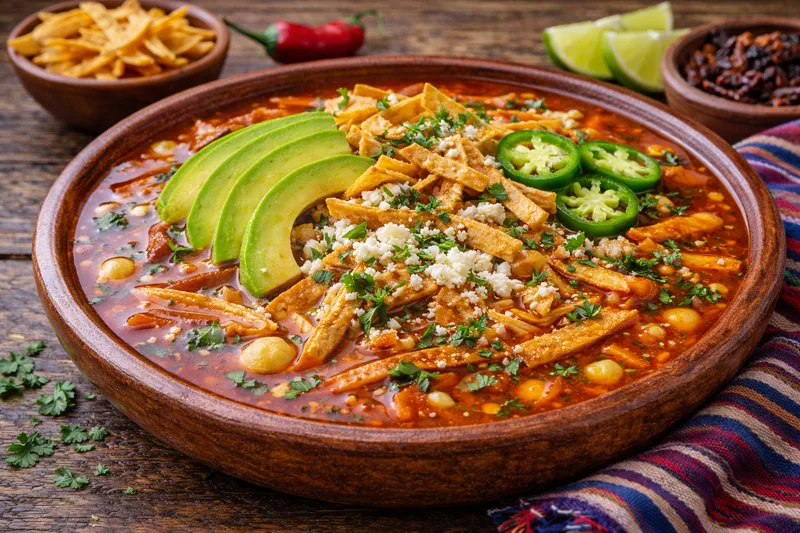
Artisanal totopos are dry, crisp maize tortillas made in various regions of Mexico both as a preservation technique and as a snack in their own right. The word totopo comes from the Nahuatl totopochtli (something very toasted). In the Isthmus of Tehuantepec (Oaxaca), Zapotec totopos are large pieces (15-25 cm) of nixtamalised dough, perforated with the fingers and baked in clay ovens until completely dry: they can last for months without losing quality. In the rest of Mexico, totopos also refers to maize tortillas cut into triangles and fried or toasted, the base of chilaquiles, tortilla soups and nachos. The diversity of totopos reflects the richness of Mexico's maize culture, where a single name covers different techniques and products depending on the region.
Origin and history
Totopos as a technique for preserving the tortilla are pre-Hispanic: in Mesoamerica, where there was no refrigeration, drying tortillas was a way of extending the shelf life of cooked maize. In the sixteenth century, Fray Bernardino de Sahagún described dried tortillas that lasted for weeks as food for Mexica travellers and warriors. Isthmian totopos (from the Isthmus of Tehuantepec, Oaxaca) are a Zapotec tradition of probable pre-Hispanic origin, perfected during the colonial period. Zapotec cooks make perforated totopos that are baked by pressing them directly onto the inner walls of clay ovens (similar to tandoors), where they dry in a matter of minutes. This technique allows totopos to be stored for months, important in a region with a hot climate. In the rest of Mexico, the word totopo was later also applied to fried tortilla triangles for chilaquiles and soups. Larousse Cocina and México Desconocido document both traditions as part of the country's heritage, with the Isthmian totopo having been granted a recognised Collective Trademark in recent years.
Characteristic ingredients
Zapotec Isthmian totopos are made with nixtamalised maize dough (sometimes using zapalote chico maize, a native landrace of the Isthmus). Large, thin tortillas (15-25 cm) are shaped, perforated with the fingers in a regular pattern (the holes allow even drying and crispness), and pressed onto the inner walls of a clay oven (comixcal) heated with firewood. Within 1-3 minutes the totopos dry out and come away by themselves when ready. The result is crisp pieces, lightly smoked by the wood fire, with a shelf life of several months if stored in a dry place. Regional variants include Chiapas-style totopos (smaller and flatter) and the cassava totopos of some communities. In the version found across Mexico more generally, totopos are ordinary tortillas cut into triangles and fried in hot oil until golden, or toasted in the oven. Commercial totopos (Sabritas, Barcel) are industrial chips based on this concept. Each type has its own distinctive textures, flavours and uses in Mexican cooking.
Cultural significance
Isthmian totopos are the gastronomic emblem of the Isthmus of Tehuantepec and form part of Zapotec cultural heritage. They are eaten alongside typical dishes such as fish broth, garnachas, black beans, Isthmian mole, and as a snack with pasilla mixe chilli salsa or mole tonado. In markets such as those of Juchitán de Zaragoza, Tehuantepec and Salina Cruz, Zapotec vendors (the legendary tehuanas and juchitecas) sell totopos by the kilo or by the piece, regarding them as a product of identity. Traditional Mexican cuisine, recognised by UNESCO in 2010 as Intangible Cultural Heritage, includes totopos as a heritage element. The FAO and native-maize revalorisation projects highlight the Isthmian totopo as an example of sustainable food technology: it uses native maize varieties, preserves food without refrigeration and forms part of an economic chain that sustains Zapotec women. In Mexican cooking more broadly, fried triangular totopos are the base of the chilaquiles served at popular breakfasts and of tortilla soup, present on the menus of fondas, restaurants and homes alike.
Related recipes
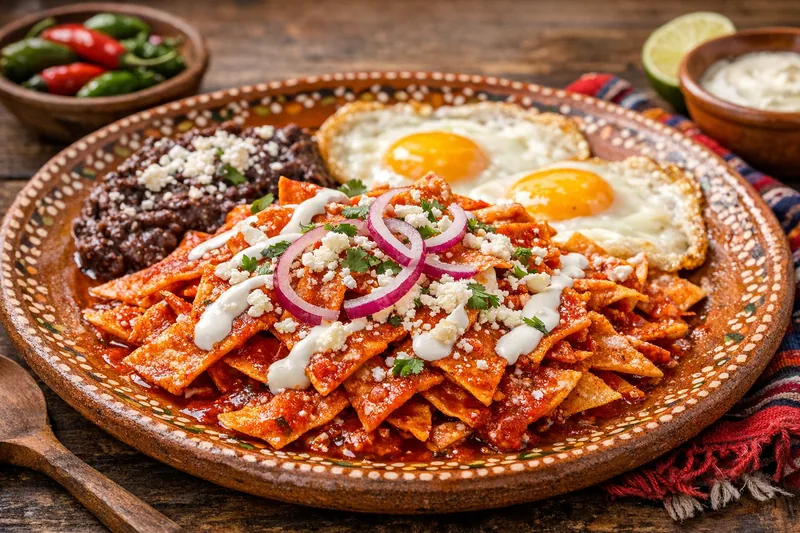
Now that you know what it is, try cooking it at home with our step-by-step recipes:




Ingredients to cook it
Find where to buy authentic ingredients in Mexican shops in the US:
Frequently asked questions
- What is the difference between an Isthmian totopo and a common totopo?
- The Zapotec Isthmian totopo is a large tortilla (15-25 cm), perforated with the fingers and dried in a vertical clay oven until fully dehydrated; it keeps for months. The common Mexican totopo is a tortilla cut into triangles and fried or toasted, used for chilaquiles, nachos and soups. They share the same underlying concept (a crisp dried tortilla) but are distinct products.
- What does an artisanal totopo taste like?
- Isthmian totopos have an intense toasted-maize flavour with smoky notes from the wood-fired oven, and a crisp texture that crunches when bitten and holds up for weeks. Fried triangular totopos taste of fried maize with notes of hot oil; they are greasier and more brittle in texture. Both are perfect vehicles for salsas and stews.
- How are Isthmian totopos served?
- They are eaten whole or broken into pieces, alongside typical Isthmus dishes such as fish broth or garnachas. They are also used as a scoop for black beans, Isthmian mole or stews. During the day, tehuanas and juchitecas eat them as a snack spread with quesillo or with coffee. They are usually served in a basket on the family table.
- Where do artisanal totopos come from?
- Isthmian totopos originate from the Isthmus of Tehuantepec, Oaxaca, especially from Juchitán de Zaragoza, Tehuantepec, Ixtaltepec and the Zapotec and Zoque communities of the region. Triangular totopos are eaten throughout Mexico, but their origin as a dried, repurposed tortilla is pre-Hispanic and spread from the centre and south of the country.
Sources
Founder, Recetas Mexas
Mexican from Puebla, IT professional and foodie. Author of 1000+ authentic Mexican recipes adapted for home kitchens worldwide. Based in Madrid since 2018.
Read moreEnjoyed this?
Follow on TikTok for Mexican recipe & restaurant videos, and get updates by email.