
Queso Relleno (Stuffed Edam Cheese)
Hollowed-out Edam cheese stuffed with Yucatecan picadillo and served with tomato and white sauces.
About this recipe
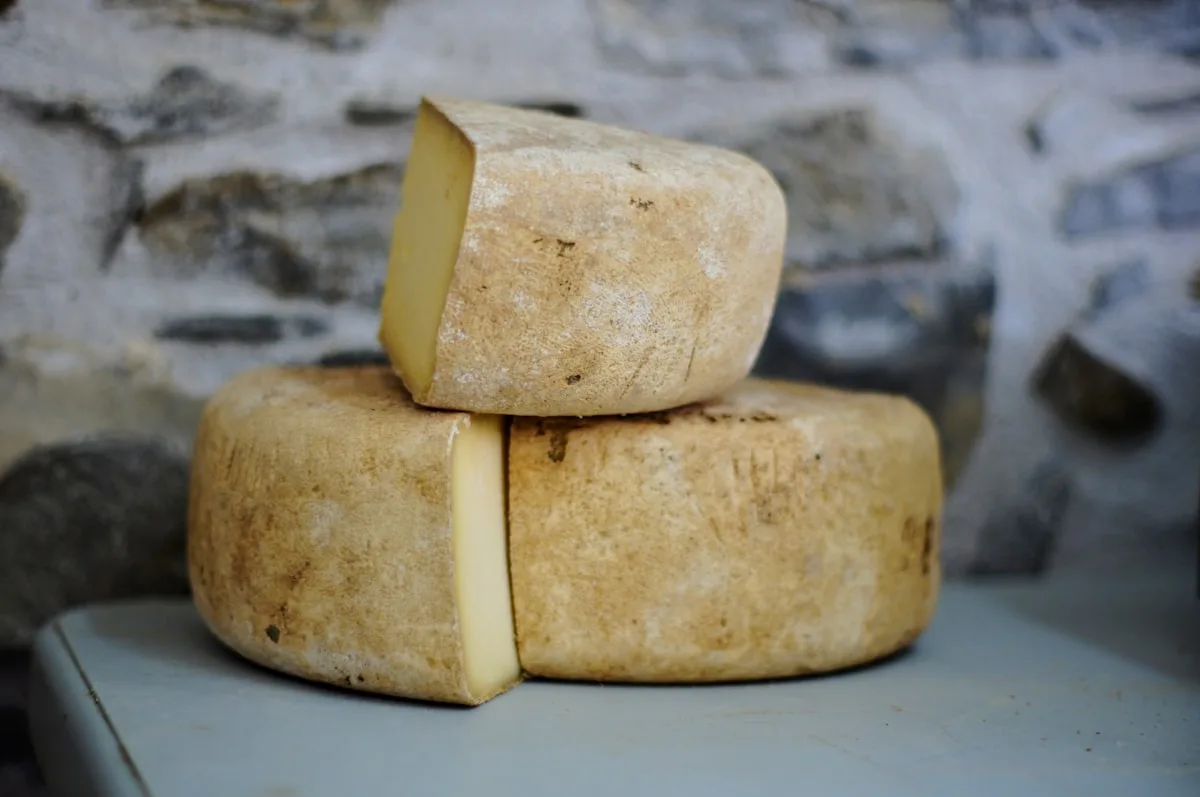
Queso relleno is a masterpiece of Yucatecan cuisine. A Dutch Edam cheese is hollowed out and filled with an elaborate picadillo of pork and beef with olives, capers and raisins. It is steamed and served bathed in two sauces: a red tomato sauce (chiltomate) and a white flour sauce (kol). It is a celebratory dish reflecting European influence on the Yucatan Peninsula.
History & Origin
Queso relleno is one of the most sophisticated dishes in Yucatecan gastronomy and represents the cultural fusion of the Peninsula like few others. Its origin dates back to the colonial era when Dutch ships arrived at the port of Sisal laden with Edam cheeses, recognisable by their characteristic red wax coating. The Yucatecans adopted this European cheese and transformed it into something entirely new by hollowing it out and stuffing it with a picadillo combining Spanish techniques with local ingredients. The olives and capers speak of Mediterranean influence, whilst the habanero and epazote reveal the Mayan roots. Queso relleno became the celebratory dish par excellence in Merida and the cities of the Peninsula, reserved for weddings, birthdays and patron saint festivals. Its preparation is a ritual demanding patience: one must hollow out the cheese without breaking it, prepare the picadillo with multiple ingredients, and master the two accompanying sauces. The chiltomate, a roasted tomato sauce with habanero, and the kol, a white sauce thickened with flour, are served together over the cheese, creating an extraordinary contrast of appearance and flavours.
Estimated cost
£25.32
Total cost
£3.16
Per serving
* Approximate prices based on UK supermarkets
Nutritional information per serving
520
Calories
30g
Protein
28g
Carbohydrates
32g
Fat
3g
Fibre
890mg
Sodium
* Approximate values. May vary depending on ingredients used.
Method
- 1
Remove the cera red of the cheese Edam and cortale a cover in the parte superior. With aa spoon vacia the interior leaving paredes of 1.5 cm of thickness. Soak the cheese in cold water 2 hours for desalarlo.

💡 No tires the cheese that sacaste; you can usarlo grated for otras recetas.
- 2
Sauté the minced pork and beef with chopped onion, garlic, olives, capers and raisins. Season with salt, pepper, Yucatecan oregano and cumin.

💡 Add a little red recado dissolved in bitter orange juice if you have it.
- 3
Fill the cheese vaciado with the picadillo, cubre with the cover of cheese and envuelve in a trapo of manta. Amarra well for that not abra.

💡 El cheese should estar well drained before of rellenarlo.
- 4
Cook overl vapor in a vaporera large for 30-40 minutes until the cheese this soft pero without desmoronarse.

💡 No cocines demasiado or the cheese derretira completely.
- 5
For the chiltomate: roast the tomatoes and the habanero, blend them with salt and fry the sauce in a little oil.

💡 Remove the habanero seeds if you do not want the sauce too spicy.
- 6
For the kol: brown the flour in butter, add chicken stock little by little, stirring constantly, until you have a thick white sauce.

- 7
Cut the queso relleno into thick slices and serve them drenched with the chiltomate and the kol. Garnish with fresh epazote.

💡 Serve immediately so the cheese does not cool down.
Related Articles


Rate this recipe

Founder, Recetas Mexas
Mexican from Puebla, IT professional and foodie. Author of 1000+ authentic Mexican recipes adapted for home kitchens worldwide. Based in Madrid since 2018.
Read moreRelated Recipes

Pork Loin in Prune and Chilli Sauce
Roasted pork loin with sweet and sour prune and ancho chilli sauce.

Pollo Almendrado (Chicken in Almond Sauce)
Chicken pieces bathed in a creamy toasted almond sauce with spices, a refined Pueblan dish with a delicate and elegant flavour.

Chicken in Pipián with Chayote
Chicken in green pumpkin seed pipián sauce with tender chayote squash.

King Ranch Chicken Casserole
Texan layered casserole of tortillas, shredded chicken, melted cheddar and chilli sauce.
Enjoyed this?
Follow on TikTok for Mexican recipe & restaurant videos, and get updates by email.