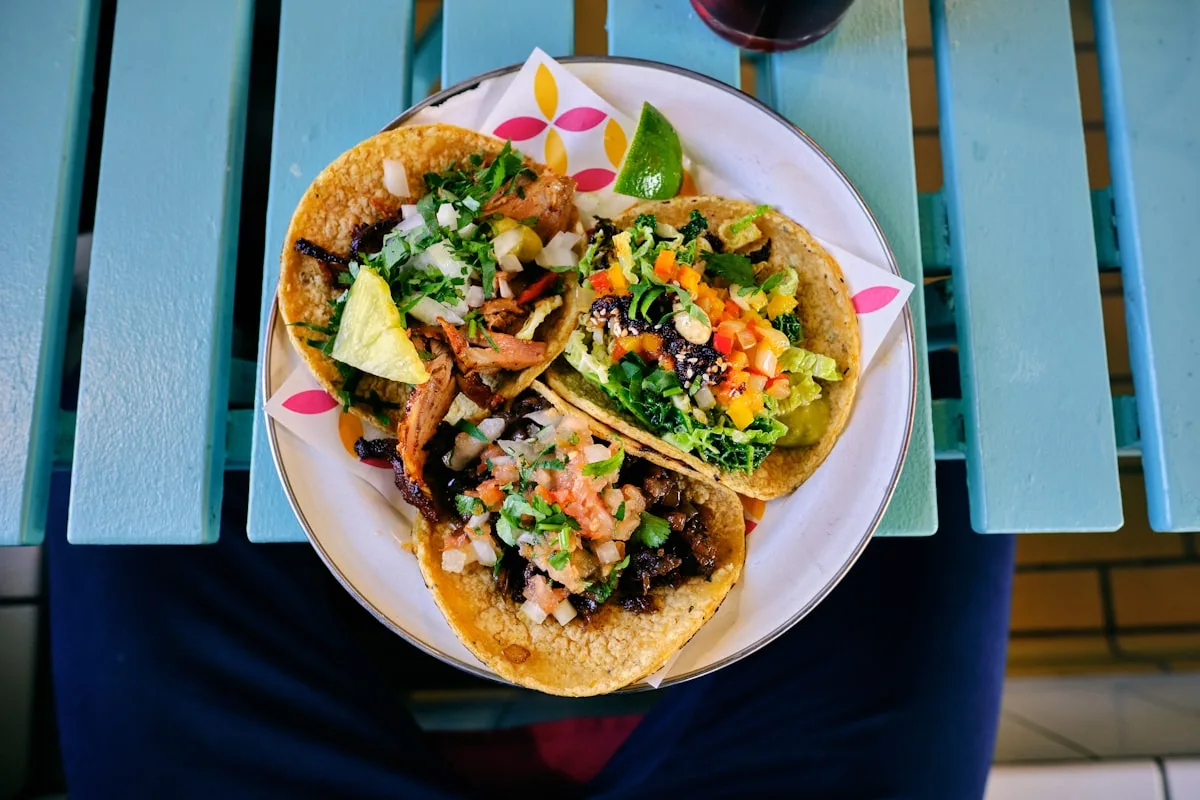
History of Tacos: From Mexico to the World
The fascinating history of tacos: from pre-Hispanic origins to becoming one of the most popular foods worldwide.
Tacos are a global phenomenon today, but their history is deeply Mexican and goes back thousands of years. To understand their history is to understand Mexico itself: a country built on corn, culinary creativity and the ability to turn humble ingredients into something extraordinary.
Pre-Hispanic Origins
Before the arrival of the Spanish, the Mesoamerican peoples already wrapped food in corn tortillas. It was the natural way to eat: the tortilla served as plate, cutlery and food all at once. Archaeological evidence suggests this practice is at least 3,000 years old.
The Aztecs called the tortilla "tlaxcalli" and used it to wrap fish, insects, beans, squash and game meats. Hernán Cortés described in his letters how the natives ate "flattened corn" filled with various foods. It was, essentially, the first taco documented by Europeans.
Fascinating fact: the anthropologist Jeffrey Pilcher documents that Moctezuma II held banquets where fresh tortillas filled with meat, fish and chiles were served - a pre-Hispanic taquiza fit for an emperor.
The Birth of the Modern Taco
The term "taco" began to be used in the 18th century in the Mexican silver mines. The miners wrapped gunpowder in paper to insert into the rock - they called that charge a "taco". The visual similarity to a tortilla rolled around a filling meant the name transferred to the food.
In the 19th century, tacos became established as street food in Mexico City. The "tamaleras" and "taqueras" set up stalls in markets and on corners, selling tacos de canasta (steamed tacos) and stew tacos to workers and passers-by. They were cheap, portable and nutritious - the original fast food.
Regional Diversification
Throughout the 20th century, each region of Mexico developed its own tacos with local ingredients:
Tacos al Pastor (Mexico City)
Tacos al pastor were born in the 1930s-40s when Lebanese immigrants arrived in Puebla and Mexico City bringing the shawarma. Mexicans adapted the vertical-spit technique but swapped the lamb for pork and added chile, achiote and pineapple. The result is a perfect culinary blend: Arab technique with Mexican flavors. Today they're probably the most famous tacos in the world.
Tacos de Birria (Jalisco)
Originally made with goat, today more commonly with beef. The meat is cooked slowly in a chile adobo until it falls apart. The resulting consommé (broth) is used to soak the tortilla before crisping it on a comal, creating the famous "birria tacos" or "quesabirria" that have gone viral on social media.
Fish Tacos (Baja California)
Battered, fried fish in a corn tortilla with cabbage slaw, sour cream and hot salsa. Born in Ensenada in the 1950s, they're the speciality of the whole Baja California peninsula. Their fame has crossed borders.
Tacos de Barbacoa (Hidalgo/State of Mexico)
Lamb meat cooked in an earth oven, wrapped in maguey leaves. It's the quintessential Sunday taco in central Mexico - every weekend, families queue at the barbacoa stalls.
Tacos de Carne Asada (Northern Mexico)
Thick cuts of beef, marinated simply with salt, pepper and lime, grilled over charcoal. It's the northern version that many foreigners picture when they think of tacos, but in Mexico it's just one of dozens of varieties.
Tacos Conquer the World
Mexican emigration to the United States in the 20th century took tacos north. But it was the "Tex-Mex" version - crisp taco shell, minced meat, lettuce, tomato, cheddar - that became popular initially. This version, invented by Glen Bell (founder of Taco Bell) in 1962, is almost unrecognisable to a Mexican.
In the last two decades, a wave of authentic Mexican taqueros has opened restaurants outside Mexico, showing the world that real tacos are something completely different. In 2023, Mexico's street tacos were recognized on the list of the world's best dishes by TasteAtlas.
Tacos in the US
The US has had its own taco revolution in recent years. Where once there were only Tex-Mex options, now there are authentic taquerías run by Mexicans in London, Manchester, Bristol and other cities.
London: Brixton and Soho concentrate the best options. See our guide to Mexican restaurants.
Manchester: the Northern Quarter has authentic options.
Bristol: Stokes Croft is the emerging area for Mexican food.
You can also make them at home with ingredients from Mexican shops - it's easier than you think and the result is incomparable. Start with our easy recipes guide.
Anatomy of the Perfect Taco
An authentic Mexican taco has these elements:
- Tortilla: corn (the authentic kind), small (12-15cm), warm and fresh. A double tortilla if it's a juicy-meat taco (so it doesn't break).
- Protein: meat, fish, seafood, vegetables - cooked with a technique specific to that type of taco.
- Salsa: red or green, to the diner's taste. Never ketchup.
- Onion and cilantro: finely chopped, they're the standard finishing touch.
- Lime: a compulsory squeeze that balances all the flavors.
What an authentic Mexican taco does NOT have: lettuce, tomato, sour cream, cheddar, guacamole (inside the taco). These are Tex-Mex elements, not Mexican.
The Taco as Cultural Heritage
In 2023, Mexico's street tacos were proposed to be declared Intangible Cultural Heritage by UNESCO (Mexican cooking in general has been since 2010). The taco isn't just food - it's a vehicle of cultural identity, a social leveller (at the taquería, everyone queues together) and an expression of limitless culinary creativity.
Ready for your own taco adventure? Start with our taco recipes or find the nearest Mexican restaurant to try the authentic ones.
Tacos Arrive in the US: A Recent History
The authentic Mexican taquería was practically non-existent in the US until the 2000s. "Mexican food" was basically limited to nachos with cheese, Tex-Mex burritos and fajitas from American chains.
The change came with the rise of Mexican migration and interest in the last decade. Mexican cooks who arrived in London, Manchester and Bristol began opening small businesses with authentic recipes. Some London neighbourhoods were among the first to have "proper" taquerías, with corn tortillas made to order, home-made salsas and meat marinated Mexican-style.
In our experience, the turning point came around 2018-2019, when tacos stopped being "exotic food" and began to compete with the kebab and sushi as a quality fast-food option. Today there are dozens of Mexican restaurants in London alone, and the trend keeps growing. See our directory of Mexican restaurants in the US to see the current offering.
Authentic Tacos vs. Tex-Mex: The Difference That Matters
One of the biggest misunderstandings is confusing Tex-Mex food with authentic Mexican food. Here are the key differences so you know what you're eating:
- The tortilla: an authentic Mexican taco uses a small corn tortilla (12-15cm), soft and lightly toasted. Tex-Mex uses large wheat tortillas, often crisp (hard shell). If you're given a hard U-shaped tortilla, that isn't a Mexican taco.
- The cheese: in Mexico, tacos have little or no cheese. When they do, it's crumbled fresh cheese. Melted cheddar is 100% Tex-Mex.
- The meat: al pastor (pork marinated with achiote and pineapple), barbacoa (slow-cooked beef), carnitas (confit pork), steak, tongue, suadero... Mexican tacos have an infinitely greater variety of meats than the Tex-Mex "ground beef".
- The toppings: chopped raw onion, fresh cilantro and salsa. No lettuce, cherry tomato, sour cream or sliced jalapeños. That's Tex-Mex.
Both traditions are valid and delicious, but it's important to know which one you're eating. Fortunately, there are more and more authentic options in the US.
Making Authentic Tacos at Home: What You Need
The good news is that making authentic tacos in the US is increasingly easy thanks to the availability of ingredients:
- Corn tortillas: in Latin shops (~$5 for a pack of 20). If you can't find them, Amazon sells Maseca (nixtamalized corn flour, ~$5/kg) to make them at home with a tortilla press ($20-25 on Amazon).
- Home-made al pastor: marinate thin pork fillets with achiote (red paste, ~$5 in Latin shops), orange juice, vinegar, garlic and guajillo chile. Marinate for 2 hours minimum. Cook over a high heat in a pan and serve with chopped fresh pineapple.
- Green salsa: canned tomatillos in Latin shops (~$5.80/can). Blend with serrano chile, cilantro, onion and salt. Ready in 3 minutes.
- Red salsa: boil 3 tomatoes with 2 guajillo chiles (soaked), garlic and onion. Blend everything. Cost: under $5.
A home-made taquiza for 6 people with everything included (tortillas, 2 types of meat, salsas, guacamole, onion, cilantro, lime) costs between $25-40. Compared with going to a restaurant ($20-25 per person), it's an incredibly economical option. Explore our taco recipes for step-by-step instructions.
The Future of the Taco in the US
The American taco scene is in full evolution. We're seeing high-end taquerías that use premium produce (tacos of Iberian secreto, of oxtail, of octopus) alongside street taquerías that keep prices low (tacos at $5-5). This diversity is healthy and reflects exactly what happens in Mexico, where 10-peso tacos at a street stall coexist with 200-peso tacos at a signature restaurant. The taco, as a concept, is democratic: it adapts to any budget, ingredient and occasion. And that's what makes it immortal.

Founder, Recetas Mexas
Mexican from Puebla, IT professional and foodie. Author of 1000+ authentic Mexican recipes adapted for home kitchens worldwide. Based in Madrid since 2018.
Read more