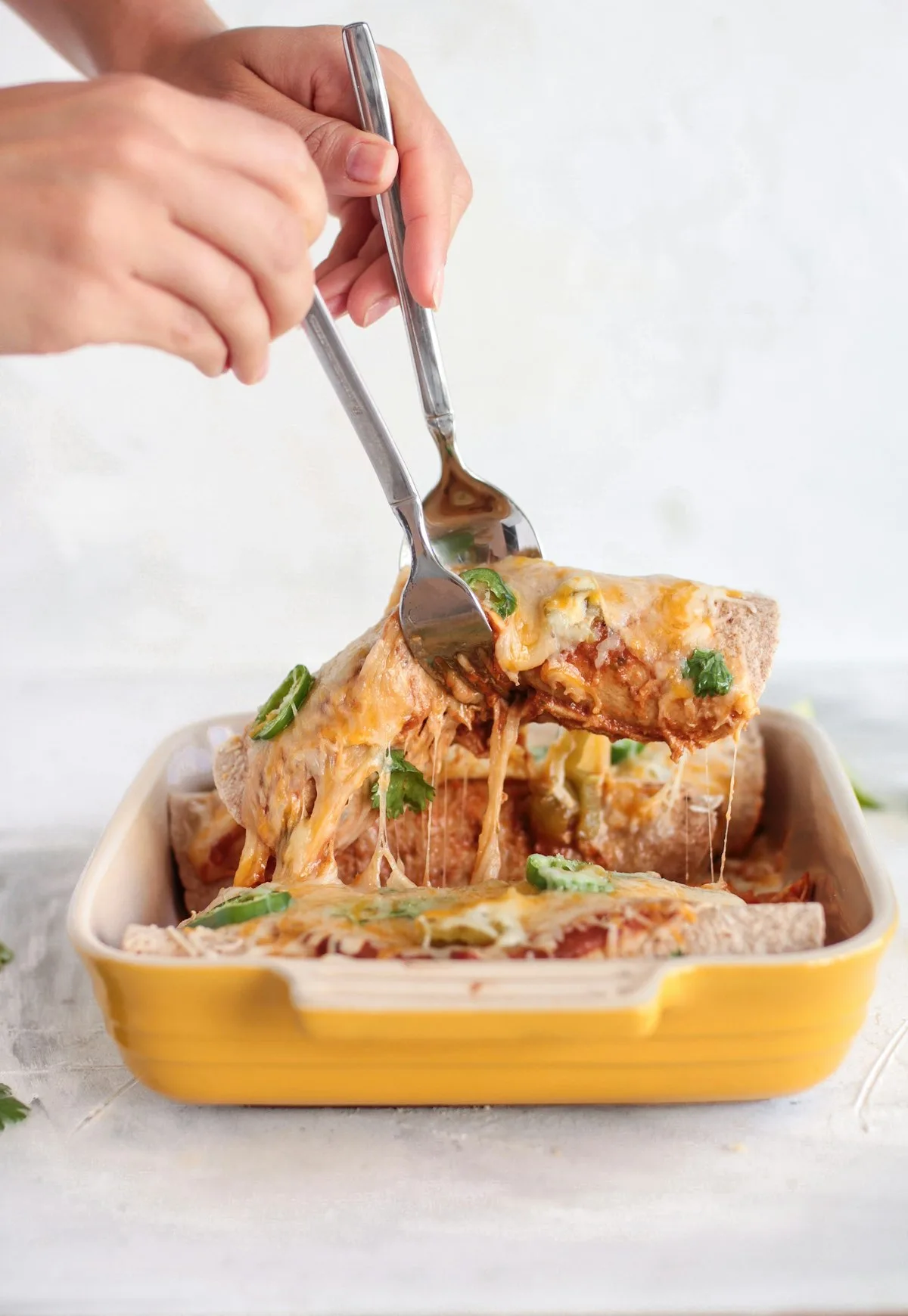
Mole: The Most Complex Dish in the World
Discover mole, the iconic Mexican sauce with dozens of ingredients and centuries of history behind it.
Mole is possibly the most complex dish in the world, with some recipes including more than 30 ingredients and several days of preparation. It's the dish that defines Mexican haute cuisine and a symbol of national identity as important as the flag.
History
The best-known legend tells that the nuns of the Convent of Santa Rosa in Puebla created mole poblano in the 17th century to impress the viceroy of New Spain. Faced with the unexpected visit, the nuns mixed everything they had: chiles, chocolate, spices, bread, tortilla, nuts... The result was a dark, complex sauce that left the viceroy amazed.
However, historians believe mole has much older pre-Hispanic roots. The Aztecs already made complex chile sauces with cacao for the nobility. The version we know today is probably a fusion: pre-Hispanic techniques enriched with Spanish ingredients (almonds, cinnamon, sesame) and Arab ones (spices from the Eastern trade).
Fact: the word "mole" comes from the Nahuatl "molli", which simply means "sauce". But there's nothing simple about mole.
The 7 Main Moles of Oaxaca
Oaxaca is known as "the land of the 7 moles". Each one has its own personality:
1. Mole Negro
The most complex and darkest. It has chilhuacle negro chile (unique to Oaxaca), chocolate, banana, walnuts and dozens more ingredients. Its color is almost black and its flavor is deep, slightly bitter and extraordinarily complex. It's the mole of great celebrations.
2. Mole Rojo
Intense in color and flavor, with ancho and guajillo chiles taking the lead. More accessible than the black but equally delicious. It's the one most like mole poblano.
3. Mole Coloradito
Brick red, sweet and mild. It has ancho chile, tomato, chocolate and sugar. It's one of the easiest to make and an excellent entry point for anyone who's never made mole.
4. Mole Amarillo
It uses chilcostle (yellow) chile. It's the everyday mole in Oaxaca, less complex than the others but with a very pleasant herbal, earthy flavor. It's served brothy with vegetables and masa.
5. Mole Verde
Fresh herbs (hierba santa, epazote, cilantro), green chile and pumpkin seeds. It's the freshest, most herbal mole, perfect for summer.
6. Chichilo
A mole of smoked Oaxacan pasilla chile. It has an intensely smoky flavor and is served with beef and chayote. It's the hardest to find outside Oaxaca.
7. Manchamanteles
Literally "tablecloth stainer". It has fruit (pineapple, banana, apple) as well as chiles. It's sweet-and-sour and served with chicken or pork. Its name comes from the fact that its reddish color stains clothes if it splashes you.
Mole Poblano: The Star
Mole poblano is the most internationally famous. Its main ingredients include:
- Chiles: ancho, mulato, pasilla, chipotle (4+ varieties)
- Chocolate: Mexican table chocolate (with cinnamon and sugar)
- Nuts: almonds, peanuts, walnuts, pumpkin seeds
- Spices: cinnamon, clove, pepper, cumin, anise
- Bread and tortilla: fried bread and toasted tortilla to thicken
- Fruit: plantain, raisins
- Base: tomato, onion, garlic
- Fat: lard
That's 20-30 ingredients that are toasted, fried, soaked, blended and cooked slowly over hours. The result is a dark, thick sauce with layers of flavor that reveal themselves with each mouthful: first the chile, then the chocolate, then the spices, and finally a subtle sweetness.
How to Make Mole at Home (Accessible Version)
Making mole from scratch is a weekend project. But there's a very worthy middle ground:
Option 1: Commercial Mole Paste (30 min)
Buy mole paste (Doña Maria or La Costeña, $5-5 in Latin shops). Loosen with hot chicken stock, stirring until you reach the desired consistency. Cook over a low heat for 20 min. The result is 70-80% of the flavor of the home-made one with 10% of the effort.
Option 2: Simplified Mole (2 hours)
Use 3 chiles (ancho, guajillo, chipotle), dark chocolate (70% cocoa), almonds, raisins, cinnamon, tomato and onion. Toast, soak, blend, fry and cook over a low heat. It's a simplified version but made from scratch that impresses.
Option 3: Full Traditional Mole (6+ hours)
See our complete recipe for mole poblano. It's an act of culinary love that requires patience, lots of ingredients and a big kitchen. But the result is transcendent.
Serving and Storing
- Serve with: chicken (the classic combination), turkey (for special occasions) or enchiladas. White or red rice as a side. Toasted sesame and onion on top.
- Storing: mole improves with time. Keep in the fridge up to 2 weeks. It freezes for up to 6 months. Defrost and heat, adding stock if it's very thick.
- Golden rule: always make extra. Mole is a dish that justifies the extra effort of making a large quantity.
Mole as Cultural Heritage
Mole isn't just a dish - it's a social ritual. In Mexico, families gather to make mole together (the "moleada"). Everyone has their task: someone toasts the chiles, another fries the ingredients, another grinds on a metate. It's an act of community and tradition that connects generations. Grandma's mole recipe is passed down as a family inheritance, as valuable as any material possession.
If you've never tried mole, start with the commercial paste and discover the flavor. If you fall in love (and you will), venture into making it from scratch. It's one of the most rewarding culinary experiences there is. Find the ingredients in Mexican shops in the US.
Mole Outside Mexico: Challenges and Solutions in the US
Making authentic mole in the US presents specific challenges we've learned to overcome over time. The main one is getting the right chiles. Mulato chile and chilhuacle negro are practically impossible to find - even in the best Latin shops. However, ancho and guajillo are found relatively easily for $5-5 a bag, and chipotle in adobo is available canned in almost any Mexican shop.
In our experience, this is the practical strategy for making mole in the US:
- Chiles: use a mix of ancho (sweet, deep), guajillo (red, slightly spicy) and chipotle in adobo (smoky). With these three you cover 80% of the flavor profile of mole poblano.
- Chocolate: Mexican table chocolate (Abuelita or Ibarra) is found in Latin shops for $5-5 a tablet. If you can't find it, use 70% dark chocolate and add a pinch of cinnamon - it isn't the same but works decently.
- Spices: cinnamon sticks, clove, black pepper, cumin and anise are found in any supermarket. Almonds and peanuts too.
- Plantain: found in Latin shops and increasingly in supermarkets (exotic fruit section, ~$5.50 each). If you can't find it, use a normal ripe banana - it changes the texture but the flavor is acceptable.
Mole and Economy: A Celebration Dish for a Reason
In Mexico, mole is associated with weddings, christenings, quinceañeras and funerals. It's no coincidence: historically, the complexity and quantity of ingredients made it an expensive dish that could only be justified on special occasions. Today, even in Mexico, a mole made from scratch with all the right ingredients can cost $40-50 in ingredients, but serves 15-20 people.
In the US, the cost rises slightly because of imported ingredients, but it's still surprisingly economical for the experience it offers. We've worked out the cost of a complete mole poblano from scratch for 12 people:
- Dried chiles (3 varieties): $10-15
- Mexican chocolate: $5
- Nuts and spices: $10
- Tomatoes, onion, garlic: $5
- Bread, tortilla, plantain: $5
- Chicken (2kg to serve with the mole): $15
Total: ~$45-50 for 12 people, or about $5 per person for one of the most extraordinary dishes in world gastronomy. Compared with dinner at a Mexican restaurant where a plate of mole costs $20-25, making it at home is an investment worth every minute of effort.
The Science Behind Mole: Why It Tastes the Way It Does
Mole is a fascinating case study in culinary chemistry. The reason its flavor is so complex and hard to describe has to do with the Maillard reaction multiplied across dozens of ingredients. Every component that's toasted - chiles, spices, nuts, seeds, tortilla, bread - generates hundreds of new aromatic compounds. When they all combine and cook together for hours, the interactions between these thousands of molecules create a flavor profile that no other dish in the world can replicate.
The chocolate brings theobromine and hundreds of aromatic compounds that complement the capsaicin of the chiles. Cinnamon adds cinnamaldehyde, clove has eugenol, and toasted almonds bring benzaldehyde. Together, these compounds simultaneously activate sweet, bitter, umami, spicy and aromatic receptors on the tongue and nose, creating a sensory experience the brain perceives as extraordinarily pleasurable precisely because it can't pin the flavor down to a single category.
This is why mole improves with time: the molecules keep interacting and balancing over days in the fridge. A freshly made mole is good; a three-day-old mole is sublime. That's why in Mexico they say mole is like good wine - it needs to rest to reach its full potential. If you want to experience the magic of mole without cooking, visit one of our recommended Mexican restaurants and order the house mole. And if you fancy cooking, see our step-by-step recipe.

Founder, Recetas Mexas
Mexican from Puebla, IT professional and foodie. Author of 1000+ authentic Mexican recipes adapted for home kitchens worldwide. Based in Madrid since 2018.
Read more