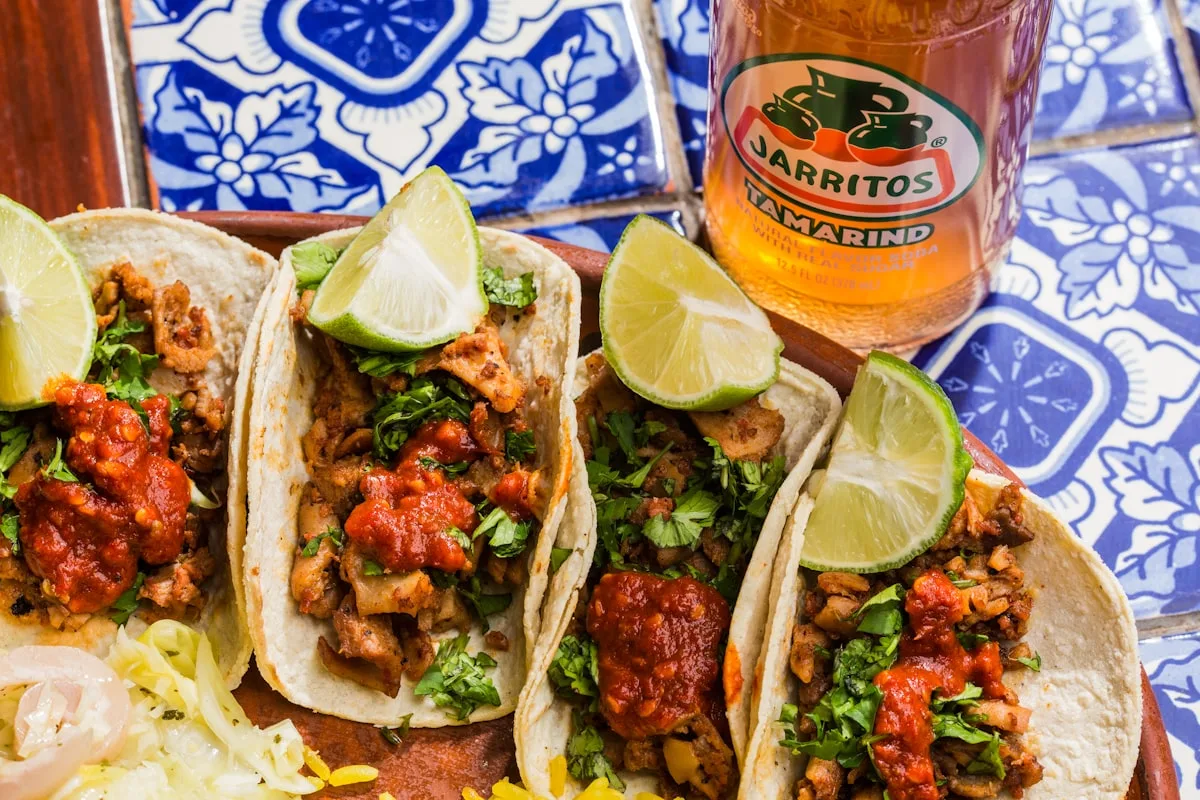
Regional Mexican Cuisine: A Journey Through Its Flavors
From Oaxaca to Yucatan, from Puebla to Baja California: explore the diverse regional cuisines of Mexico.
Mexico is an enormous country with an impressive gastronomic diversity. Each region has its own cuisine, shaped by climate, geography, history and local indigenous traditions. To know the regional cuisines is to understand that "Mexican food" isn't a single flavor - they're dozens of distinct culinary traditions under one cultural roof.
North: Land of Meat and Wheat
States: Sonora, Chihuahua, Nuevo León, Coahuila, Durango, Tamaulipas, Baja California.
Characteristics: charcoal-grilled meats, wheat (flour) tortillas (instead of corn), melted asadero cheese, enormous burritos. It's the region most influenced by cattle ranching and the border with the United States.
Emblematic dishes:
- Carne asada: thick cuts of beef marinated with salt, pepper and lime, grilled over charcoal. In Sonora and Nuevo León it's almost a religion.
- Machaca with egg: shredded dried beef with egg, onion and tomato. The energising breakfast of the north.
- Cabrito al pastor: a Monterrey speciality. Young goat roasted slowly - tender, juicy and with a unique flavor.
- Burritos: the authentic northern ones are ENORMOUS: a 30cm+ flour tortilla filled with beans, meat, cheese, chile. Nothing like the miniature Tex-Mex burritos.
- Fish tacos: a Baja California speciality. Battered, fried fish in a tortilla with cabbage slaw.
In the US: many Mexican restaurants serve carne asada and northern burritos. American beef works very well for these recipes.
Center: The Culinary Heart
States: Mexico City, State of Mexico, Puebla, Tlaxcala, Hidalgo, Morelos, Querétaro.
Characteristics: the region with the greatest culinary diversity. Many of Mexico's most famous dishes were born here. It's the most "urban" cuisine and the one with the most Spanish influence.
Emblematic dishes:
- Mole poblano: the most complex dish in the world, originating in Puebla.
- Chiles en nogada: a patriotic dish with the colors of the flag.
- Tacos al pastor: born in Mexico City from the fusion with Lebanese cooking.
- Lamb barbacoa: a speciality of the State of Mexico and Hidalgo. Lamb cooked in an earth oven.
- Escamoles: ant larvae - the "Mexican caviar". A pre-Hispanic delicacy.
- Tlacoyos, sopes, huaraches: corn-masa snacks that are the soul of the markets.
Gulf: Seafood and Tropical Flavors
States: Veracruz, Tabasco.
Characteristics: strong influence of the sea and the tropics. Abundant seafood, the use of tropical herbs, plantains, cassava. Caribbean and African influences unique in Mexico.
Emblematic dishes:
- Huachinango a la veracruzana: a whole fish in a tomato sauce with olives, capers and chile. The perfect fusion of Mexico and Spain.
- Arroz a la tumbada: a brothy rice with seafood, similar to a paella but with Mexican flavors.
- Chipile tamales: tamales with chipile herb, typical of Tabasco.
Pacific: Coast and Sierra
States: Sinaloa, Nayarit, Jalisco, Colima, Guerrero.
Characteristics: fresh seafood (shrimp, octopus, ceviche), tequila (Jalisco), birria, pozole. It's the most "festive" region gastronomically.
Emblematic dishes:
- Jalisco birria: goat or beef in a chile adobo, cooked slowly. The resulting broth is liquid gold.
- Aguachile: raw shrimp in a spicy green sauce of lime and chile. Originating in Sinaloa.
- Pozole: a corn broth with meat, with different versions in Jalisco and Guerrero.
- Torta ahogada: a birote roll filled with carnitas, "drowned" in an árbol-chile sauce. A Guadalajara speciality.
South and South-East: Living Pre-Hispanic Tradition
States: Oaxaca, Chiapas, Yucatán, Quintana Roo, Campeche.
Characteristics: the region with the oldest and most intact culinary traditions. Maya cooking in Yucatán, Zapotec in Oaxaca. Unique ingredients that don't exist in other regions.
Emblematic dishes:
- The 7 moles of Oaxaca: negro, rojo, coloradito, amarillo, verde, chichilo, manchamanteles. Read our article on mole.
- Cochinita pibil: pork marinated in achiote and bitter orange, cooked wrapped in banana leaf underground. The star dish of Yucatán.
- Papadzules: Yucatecan enchiladas bathed in a pumpkin-seed sauce. Unique in the world.
- Sopa de lima: chicken broth with Yucatecan lime, fried tortilla. Simple and perfect.
- Oaxacan tamales: wrapped in banana leaf (not corn husk), with black mole. They're the most celebrated in Mexico.
- Chapulines: grasshoppers toasted with chile and lime. An Oaxacan speciality that surprises and wins you over.
Trying the Regional Cuisines in the US
Most Mexican restaurants in the US serve central cuisine (tacos al pastor, enchiladas, mole) because it's the best known. But more and more specialist restaurants offer regional cooking:
- Oaxacan cuisine: look for restaurants that mention "Oaxacan mole" or "tlayudas".
- Yucatecan cuisine: cochinita pibil is increasingly common on Mexican menus in the US.
- Northern cuisine: burritos, carne asada and cabrito in northern-Mexican restaurants.
To cook each region's recipes at home, find the ingredients in the Mexican shops in your city.
How to Bring Mexico's Regional Flavors to Your Kitchen in the US
One of the big questions for lovers of Mexican cooking in the US is: can you replicate regional authenticity in a European kitchen? The short answer is yes, with a few smart adjustments and by knowing where to find the key ingredients.
Adaptations for Oaxacan Cuisine
Oaxacan mole requires chiles that don't grow in the US - ancho, mulato, pasilla, chipotle, chilhuacle. The good news is that they're available dried in Mexican shops and online. Dried chiles keep for months in a cool place, so buy in quantity. Mexican chocolate for mole (such as Abuelita or Mayordomo) is also found in Latin shops. For Oaxaca cheese, you can use fresh mozzarella as a substitute - it isn't identical, but the texture is similar.
Adaptations for Yucatecan Cuisine
Yucatecan cuisine is one of the most unique in Mexico and also one of the easiest to adapt. Achiote paste (recado rojo) is easily found in Latin shops and is the base of dishes such as cochinita pibil. Bitter oranges can be substituted with a mix of sweet orange juice and lime. For Yucatecan steamed tamales, banana leaves are sold frozen in Asian and Latin shops.
Adaptations for Northern Cuisine
Northern Mexican cuisine is perhaps the easiest to replicate in the US. It's based on grilled meats, flour tortillas, charro beans and melted cheeses. The cuts of meat are similar to American ones - you just need a good cut of beef, salt and a hot grill. The flour tortilla is made with four ingredients (flour, lard, water and salt) and comes out perfectly in a pan.
Adaptations for Veracruz Cuisine
Veracruz is the gateway to the Mexican Caribbean and its cooking reflects Spanish, African and indigenous influences. Dishes such as fish a la veracruzana are perfect for the US - use fresh sea bream or sea bass instead of huachinango. The olives, capers and tomatoes of the original recipe are found in any supermarket. Veracruz coffee can be substituted with a good quality natural-roast coffee.
Regional Mexican Cooking Classes and Workshops in the US
If you want to go beyond recipes and really understand the technique behind each regional cuisine, there are more and more learning options in the US:
- London: several Mexican chefs offer monthly workshops on Oaxacan mole, tamales and artisanal tortillas. Search the social media of the Mexican community in London.
- Manchester and other cities: cookery schools include regional Mexican courses, usually in a one-day format (4-5 hours) for $65-105.
- Online: Mexican chefs based in the US teach classes over Zoom where they guide you step by step. The advantage is that you can cook in your own kitchen with your own ingredients.
- Cultural centers: the Mexican cultural institute and Mexican cultural associations organize gastronomic events that include regional cooking demonstrations.
Essential Books to Go Deeper into Regional Mexican Cooking
If this article has whetted your curiosity and you want to go deeper, these are essential reads:
- "The Art of Mexican Cooking" by Diana Kennedy: considered the bible of Mexican cooking. Kennedy travelled through every state documenting traditional recipes over decades. It's a dense but fascinating book.
- "Oaxaca al Gusto" by Diana Kennedy: a volume dedicated exclusively to Oaxacan cooking, with recipes ranging from complex moles to street snacks.
- Recipe books by Mexican chefs who have adapted regional cooking to the European context, with practical ingredient substitutions.
- "Mexico: The Cookbook" by Margarita Carrillo Arronte: over 700 recipes organized by region. It's like a gastronomic atlas of Mexico.
Mexico is a gastronomic continent with at least 7 distinct culinary regions, each with its own ingredients, techniques and traditions. Exploring this diversity from the US is a fascinating journey that requires curiosity, patience and the right ingredients. See our recipes organized by region to begin your culinary exploration, and find what you need in the Mexican shops in your city.
Bringing Regional Flavors to Your Kitchen in the US
Recreating regional Mexican cooking in the US is increasingly accessible. With the right ingredients and the right techniques, you can prepare authentic dishes from any region without leaving your kitchen.
Your first step: choose a region and explore it thoroughly
Instead of jumping between recipes from different states, we recommend choosing one region and dedicating a whole month to it. Start with Oaxaca (accessible in ingredients and techniques), then move to Yucatán (unique flavors with achiote and habanero), then explore Jalisco (birria, tortas ahogadas) and so on. This approach will give you a deep understanding of each culinary tradition.
Begin your gastronomic journey with our recipes organized by region and find regional ingredients in the specialist Mexican shops. Prefer to have it cooked for you? Discover authentic Mexican restaurants near you.

Founder, Recetas Mexas
Mexican from Puebla, IT professional and foodie. Author of 1000+ authentic Mexican recipes adapted for home kitchens worldwide. Based in Madrid since 2018.
Read more