Cacahuazintle masa: what it is, its uses in pozole and tamales

Edmond Bojalil · Founder, Recetas Mexas
Updated: 2 Sept 2026
What is it?
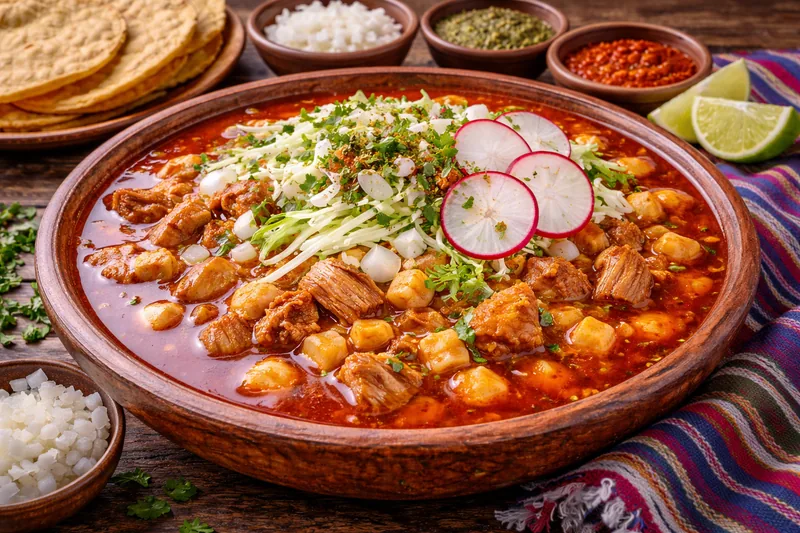
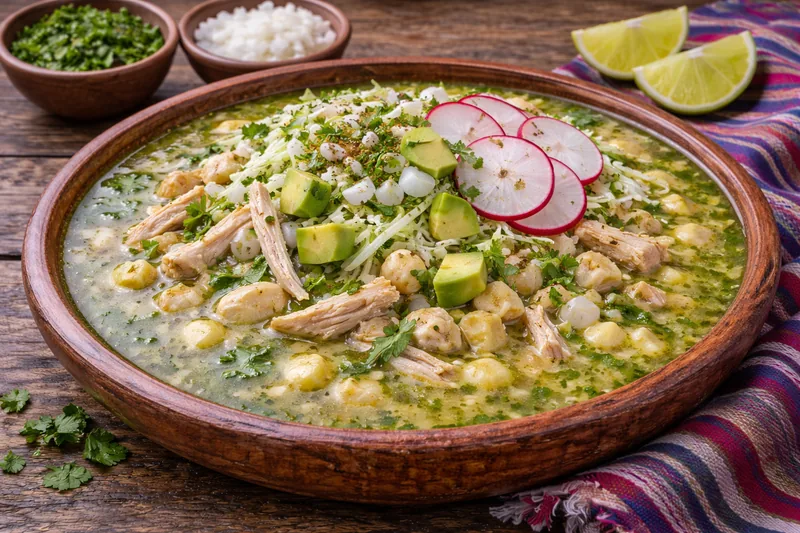
Cacahuazintle masa is a special variety of nixtamalised masa made with cacahuazintle maize, a landrace of large, floury white kernels grown in the central highlands of Mexico (the State of Mexico, Puebla, Tlaxcala, Morelos, Guerrero). Its name comes from the Nahuatl cacahuacentli, meaning a cob with kernels like cacao beans, a reference to the exceptionally large size of its grains. This masa is traditionally used for pozole (in which the whole nixtamalised kernel is simmered unground until it bursts open like a flower), for the fine tamales of central Mexico and for premium tortillas with a softer texture. Cacahuazintle masa is a prized ingredient for its unique characteristics: large kernels that open as they cook, a delicate sweetish flavour and a silky texture impossible to achieve with other maizes.
Origin and history
Cacahuazintle is a native Mexican maize landrace, possibly originating in the Valley of Toluca or Calimaya (State of Mexico), where it is still grown today as a traditional crop. Its Nahuatl name (cacahuacentli) suggests pre-Hispanic antiquity, and it appears in colonial chronicles as a variety prized for its exceptional size. Fray Bernardino de Sahagún mentions large maize varieties among the crops of the Mexica. Through the colonial period and the nineteenth and twentieth centuries, cacahuazintle endured as a specialised regional crop, tied in particular to pozole, the ritual dish prepared for national holidays, weddings and important celebrations in central Mexico. CONABIO classifies cacahuazintle as one of Mexico's 64 native maize landraces, all of heritage value. Calimaya, in the State of Mexico, is considered the epicentre of production and preserves inherited traditions of cultivation, tip-trimming of the kernels and trade. Larousse Cocina and México Desconocido document cacahuazintle as a fundamental ingredient of traditional pozole and of the fine tamales of the highlands.
Characteristic ingredients
Cacahuazintle maize has exceptionally large white kernels (roughly 1.5-2 times the size of ordinary white maize), with a floury starch that breaks down easily during cooking. This characteristic makes possible pozole's distinctive effect: once nixtamalised and simmered for hours, the whole kernel opens or "flowers", revealing its fluffy white starch. For pozole, cacahuazintle is nixtamalised by the traditional process (cooking with lime, resting, rinsing) but not ground: it is kept as whole kernels, known as maíz para pozole or nixtamal pozolero. When it is ground, it yields a masa with an especially fine, white texture, valued for the tamales of central Mexico (chicken tamales in salsa, tamales de rajas, sweet tamales). Cacahuazintle tamales are softer and more delicate than those made with ordinary maize. Cacahuazintle masa is also used for premium tortillas in restaurants and maize revival projects, with a sweeter flavour and a velvety texture.
Cultural significance
Cacahuazintle maize is a key element of the gastronomic heritage of central Mexico and forms part of traditional Mexican cuisine, declared Intangible Cultural Heritage of Humanity by UNESCO in 2010. Pozole, Mexico's flagship dish and one of its most emblematic, would not be what it is without cacahuazintle: only with this maize do the kernels flower properly during cooking. Calimaya, in the State of Mexico, is the region most closely associated with the crop and is regarded as an informal cultural denomination: local traditional cooks produce masa, tamales and pozole from their own cacahuazintle. During the national holidays (15-16 September), millions of Mexicans celebrate with cacahuazintle pozole, symbolically strengthening national identity. CONABIO, SADER and INIFAP run programmes to protect native landraces, including cacahuazintle, against pressure from hybrid and genetically modified maize. Contemporary Mexican cuisine is rediscovering cacahuazintle as an ingredient of the highest culinary value.
Related recipes
Now that you know what it is, try cooking it at home with our step-by-step recipes:



Ingredients to cook it
Find where to buy authentic ingredients in Mexican shops in the US:
Frequently asked questions
- What is the difference between cacahuazintle and ordinary white maize?
- Cacahuazintle has significantly larger kernels (nearly twice the size), a mealier starch that opens or flowers over hours of cooking, and a sweeter flavour. Ordinary white maize has smaller kernels and firmer starch, and is used for tortillas and tamales. Cacahuazintle is indispensable for pozole; ordinary maize is no substitute if you want the kernels to flower.
- What does cacahuazintle masa taste like?
- It has a delicate, sweetish, mild flavour, with notes of fresh maize and aromas reminiscent of fresh milk. The texture is finer and more velvety than that of ordinary maize masa. Tamales made with cacahuazintle are noticeably softer and more delicate on the palate, almost creamy. It is prized as a premium masa in markets and restaurants.
- How do you prepare cacahuazintle for pozole?
- The dried cacahuazintle maize is stripped from the cob and cooked with water and quicklime (8-10 g per kg) for 1.5-2 hours, rested overnight, the nejayote drained off and the nixtamal rinsed, rubbing it to remove the skins of the pericarp. The kernels are left with loosened skins, ready for pozole. They are then simmered for several more hours in the pozole broth until they open or flower, at which point they are ready.
- Where does cacahuazintle maize come from?
- Cacahuazintle is native to the central highlands of Mexico, particularly the Valley of Toluca and Calimaya (State of Mexico), where it has been grown since pre-Hispanic times. Today the main producing regions are the State of Mexico (Calimaya, Tenancingo), Puebla, Tlaxcala, Morelos and Guerrero. Calimaya is regarded as the epicentre of Mexico's cacahuazintle tradition.
Sources
- Cacahuazintle - Larousse Cocina
- Maíz cacahuazintle, gigante del pozole - México Desconocido
- CONABIO - Razas de maíz nativo de México
Founder, Recetas Mexas
Mexican from Puebla, IT professional and foodie. Author of 1000+ authentic Mexican recipes adapted for home kitchens worldwide. Based in Madrid since 2018.
Read moreEnjoyed this?
Follow on TikTok for Mexican recipe & restaurant videos, and get updates by email.