Mexican Salsas: Types and How to Use Them
A complete guide to Mexican salsas: the main types, how they are made, the level of heat, and step-by-step recipes to make the most important ones at home. From the basic red salsa to mole.
 EB
EBEdmond Bojalil
Recetas Mexas
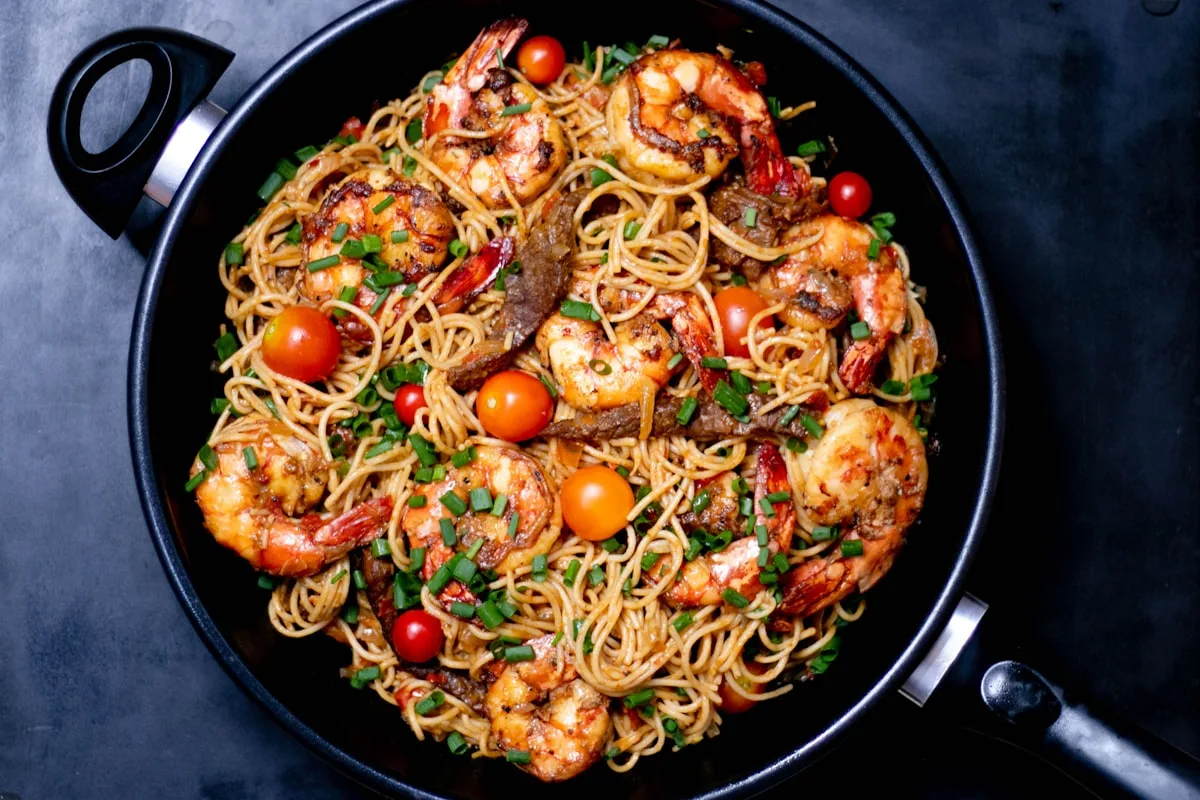
Salsas are the soul of Mexican cooking. The same dish - tacos, enchiladas, chilaquiles - changes its personality completely depending on the salsa you use. In Mexico, every family has its own salsa recipes passed down through generations, and the debates about which is the best salsa are as passionate as the debates about football. This guide teaches you the main types and how to make them at home.
The Two Great Families
All Mexican salsas fall into two fundamental categories:
- Raw salsas: Fresh, uncooked ingredients (pico de gallo, guacamole, raw green salsa). They are made on the spot.
- Cooked salsas: Roasted, boiled or fried ingredients (red salsa, chipotle salsa, mole). They keep better and have deeper flavours.
Red Salsas
Red Guajillo Salsa (The Basic One)
It is the most versatile and widely used salsa in Mexico. Mild, with good colour and a fruity flavour from the guajillo chilli that goes with everything.
Ingredients: 6 guajillo chillies, 3 medium tomatoes, 2 cloves of garlic, salt.
Preparation:
- Open the chillies, remove the seeds and veins. Toast for 20-30 seconds per side in a dry pan.
- Soak in hot water for 15-20 minutes.
- Char the tomatoes in a pan or under the grill until they are soft and have black spots.
- Blend the drained chillies + tomatoes + garlic + salt with a little of the soaking water.
- Strain the salsa (optional but recommended for a fine texture).
- Fry in a tablespoon of hot oil for 5 minutes, stirring. This step is FUNDAMENTAL.
Heat: Low-medium. Perfect for those who cannot tolerate much spice.
Uses: Chilaquiles, enchiladas, huevos rancheros, as a table salsa, to bathe meat.
Storage: 5-7 days in the fridge. It freezes perfectly for up to 4 months.
Red Taquera Salsa (Chile de Árbol)
The spicy salsa you will find in every taquería in Mexico. A sharp, clean heat.
Ingredients: 15-20 chiles de árbol, 2 tomatoes, 1 clove of garlic, salt.
Preparation: Toast the chillies briefly (careful, they are small and burn quickly). Char the tomatoes. Blend everything together. No need to strain.
Heat: High. Use in moderation or mix with the guajillo one to soften it.
Uses: Tacos of all kinds, especially al pastor and carnitas.
Chipotle Salsa
Smoky, with body, addictive. It is the favourite of those who discover chipotle.
Quick version (5 min): Blend 2-3 chipotles in adobo (from a tin) + 200ml of crema or mayonnaise + salt. Done. It is a creamy salsa that works in tacos, sandwiches, burgers, as a dip...
Cooked version (15 min): Blend chipotles + charred tomato + onion + garlic. Fry in oil for 5 minutes. More authentic, less creamy, perfect for enchiladas or to bathe chicken.
Heat: Medium. The smokiness masks the heat a little.
In the UK: Chipotles in adobo (La Costeña, £2.60 in Sainsbury's or Latin shops) make this salsa accessible to everyone.
Green Salsas
Cooked Green Salsa (Tomatillo)
Sour, fresh, herbal. It is the perfect complement to red salsa - together they cover the whole spectrum of Mexican flavours.
Ingredients: 500g of tomatillos (fresh or tinned), 2-3 serrano chillies (or 1-2 jalapeños), 1/4 onion, 1 clove of garlic, coriander, salt.
Preparation:
- Boil the tomatillos with the chillies until they change colour (5-7 min).
- Blend with onion, garlic, coriander and salt.
- You can serve it like this (raw-cooked) or fry it in oil for 5 min for more depth.
Heat: Variable depending on the amount of chilli. Without serrano chilli, it is mild and only sour.
Uses: Green enchiladas, green chilaquiles, as a table salsa, chicken tacos.
Trick for Spain: If you cannot find tomatillos, use green (under-ripe) tomatoes + double the amount of lime. The acidity is not identical but the result is good.
Raw Green Salsa (Molcajete-Style)
A no-cook version, fresher and more intense.
Ingredients: Raw tomatillos, raw serrano chilli, plenty of coriander, onion, salt.
Preparation: Grind everything in a molcajete (or blend briefly - it should have texture, not be smooth).
Best for: Grilled meat tacos, tostadas, directly with totopos.
Raw Salsas
Pico de Gallo
The universal fresh salsa. It needs no cooking and is made in 10 minutes.
Ingredients: 4 firm ripe tomatoes, 1/2 white onion, serrano chilli to taste (or jalapeño), fresh coriander, lime, salt.
Keys: A small, uniform cut. Firm tomatoes (not soft). Lime and salt at serving time (not before, to avoid it releasing water).
Uses: Tacos, tostadas, with totopos, on molletes, in burritos. It is the universal accompaniment.
Guacamole
Technically it is a salsa, although many consider it a dip. The key is simplicity.
Minimum ingredients: Ripe avocado, lime, salt. That is all you NEED. The coriander, tomato and onion are extras (delicious but optional).
Most common mistake: Over-processing. Guacamole should have chunks, not be a smooth puree. Mash with a fork, never with a blender.
Complex Salsas
Mole (Poblano, Black, Red)
Mole is not a salsa - it is an experience. Mole poblano contains 20+ ingredients (chillies, chocolate, nuts, spices, bread, plantain) and can take hours to prepare. It is the most complex dish in Mexican cooking and possibly in the world.
To start: Use commercial mole paste (La Costeña or Doña María, available in Latin shops for £2.60-4.30). Dilute with chicken broth and cook for 20 minutes. It is not the same as making it from scratch, but it is 80% of the flavour with 10% of the effort.
For the adventurous: Check our mole poblano recipe to make it from scratch. It is a weekend project, not a Tuesday recipe.
Adobo
A mixture of blended dried chillies with vinegar, garlic and spices used as a marinade or salsa. The base of al pastor and of Mexican grilled meats.
Basic adobo: Guajillo chilli + ancho + garlic + cumin + oregano + vinegar + salt. Blend, marinate the meat for at least 2 hours (ideally overnight).
How to Serve the Salsas
On a Mexican table, there are always at least two salsas available:
- A red one (usually spicier)
- A green one (usually fresher and more sour)
Each guest helps themselves to the one they prefer. In Mexican taquerías, the salsas are self-service and unlimited. If you organise a taquiza at home, have both plus guacamole.
Storage
- Raw salsas (pico de gallo, guacamole): Consume the same day. They do not freeze well.
- Cooked salsas (red, green, chipotle): 5-7 days in the fridge in an airtight container. They freeze for up to 4-6 months.
- Mole: Practically eternal. Mole paste lasts weeks in the fridge and months in the freezer.
- Trick: Freeze salsas in ice cubes or in flattened ziploc bags (they thaw in minutes under warm water).
Basic Salsa Kit for Beginners
If you are starting out, these three salsas cover 90% of your needs:
- Red guajillo salsa: The versatile one (enchiladas, chilaquiles, eggs)
- Pico de gallo: The fresh one (tacos, tostadas, accompaniment)
- Creamy chipotle salsa: The crowd-pleaser (everything else)
Master these three and then expand your repertoire with the green salsa and the more complex variations. Find the ingredients in Mexican shops near you.
Pairing: Which Salsa with Which Dish
Choosing the right salsa for each dish is an art that turns a good meal into a memorable experience. Although in Mexico the rule is "put on whatever salsa you want", there are classic combinations that work for a reason.
General pairing rules
Raw green salsas (tomatillo, coriander, serrano) go perfectly with pork and seafood dishes: carnitas tacos, enchiladas suizas, ceviche. Their acidity and freshness cut through the fat. Cooked red salsas (tomato, guajillo chilli) complement beef and chicken: steak tacos, red enchiladas, chilaquiles. Their natural sweetness balances the intense flavours of the meat.
Pico de gallo: the universal wild card
If you can only make one salsa, make it a good pico de gallo. It works with absolutely everything: tacos, quesadillas, tostadas, eggs, grilled meats. The secret is to use ripe tomatoes, white onion (not red), plenty of fresh coriander and serrano or jalapeño chilli to taste. Add the lime juice just before serving to keep it fresh.
Keeping homemade salsas
Raw salsas last 3-5 days refrigerated. Cooked ones keep for up to a week. They can all be frozen in individual portions for up to 3 months. A tip: freeze them in flat bags so they thaw more quickly when you need them.
Explore our step-by-step salsa recipes and find the fresh ingredients you need in the nearest Mexican shops.
Your first salsa: start here
If you have never made homemade Mexican salsa, start with a red guajillo chilli salsa: toast 4 deseeded guajillo chillies on a dry comal, hydrate them in hot water for 15 minutes, blend them with a roasted clove of garlic, salt and a splash of the soaking water. Strain and you are done. This versatile salsa works with tacos, enchiladas, eggs and rice. Once you have mastered this base, experiment by adding charred tomato for more body, chipotle for smokiness, or tomatillo for acidity. Each variation brings you closer to understanding the logic of Mexican salsas.
Bottled salsas: which are worth buying
Although homemade salsa always wins, there are bottled Mexican salsas that are excellent to have in the pantry. Valentina and Cholula salsa are classics for giving a quick touch to any snack. Tajín (chilli, lime and salt) transforms fruit, popcorn and beer. And the glass-bottled Herdez salsas maintain a remarkable quality, especially the chipotle and the guacamole ones. Keep them as a backup for the days when there is no time to make fresh salsa.

Founder, Recetas Mexas
Mexican from Puebla, IT professional and foodie. Author of 1000+ authentic Mexican recipes adapted for home kitchens worldwide. Based in Madrid since 2018.
Read more